№ / JOURNAL
Printed Fabric Design File Guide: Repeat Patterns, Placement Prints & File Specs Explained
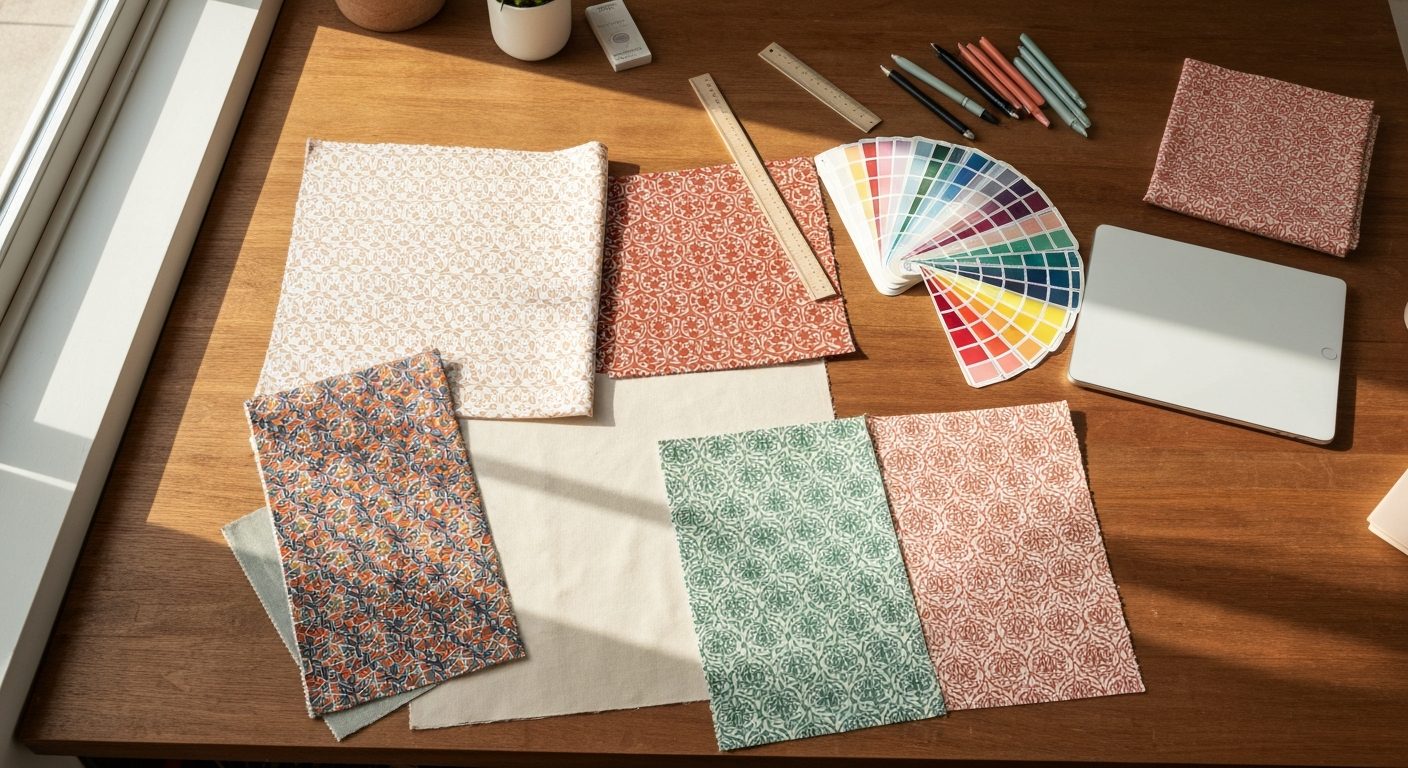
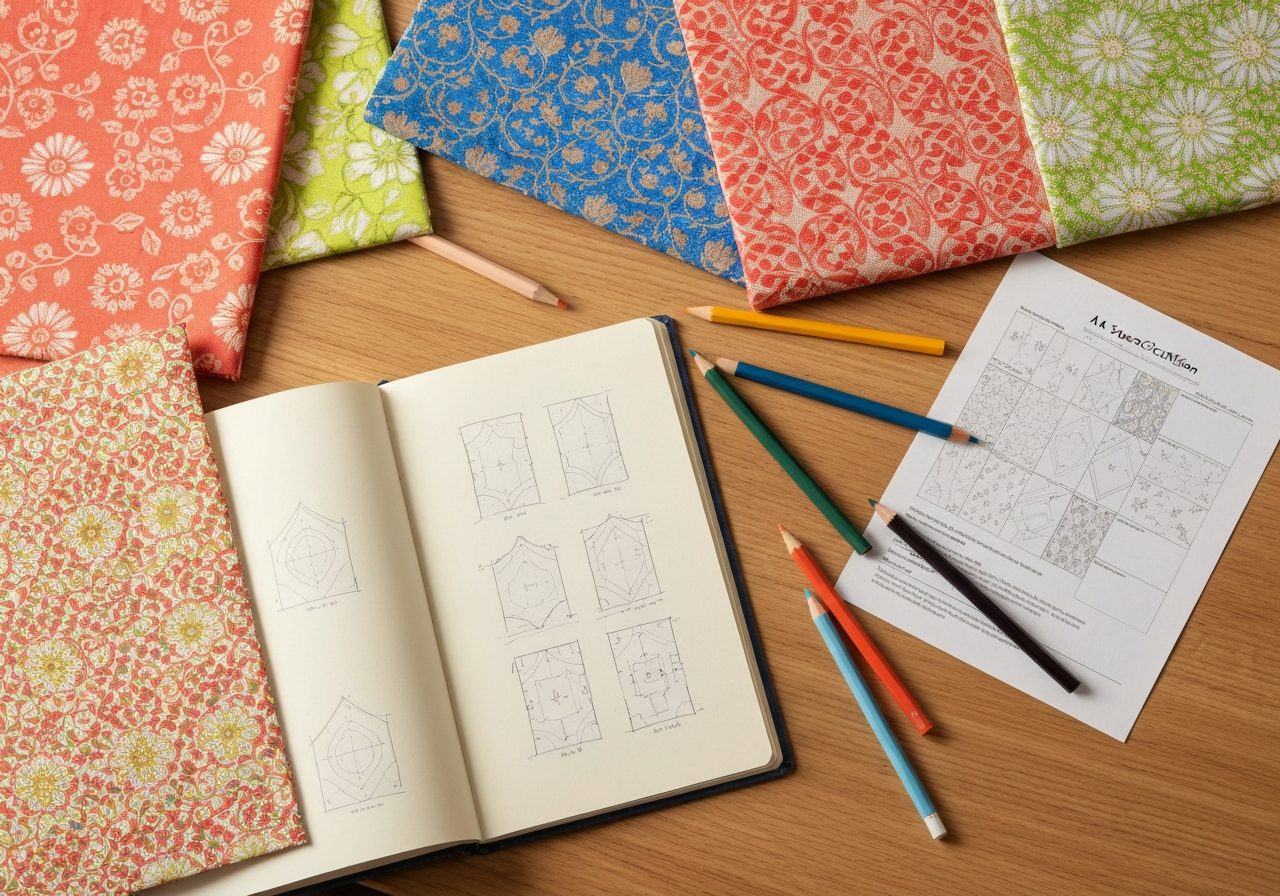
Ready to Print Your Design on Fabric? Let's Make Sure Your File Is Right
For most designers placing a custom fabric order for the first time, the real stumbling block isn't choosing a fabric or picking colours — it's preparing the artwork file. Misaligned repeats, visible seam lines, and colours that shift in print are all problems you can prevent before you ever hit send. At cocochi's house (KAIYO FABRIC CO., LTD.), our custom digital printing service starts at a 20-yard minimum and has served indie designers, craft makers, and children's apparel brands for years. Here is the practical workflow we've refined so you can get it right on the first try.
Step 1: Understand Grain Line — It Sets Your Print Direction
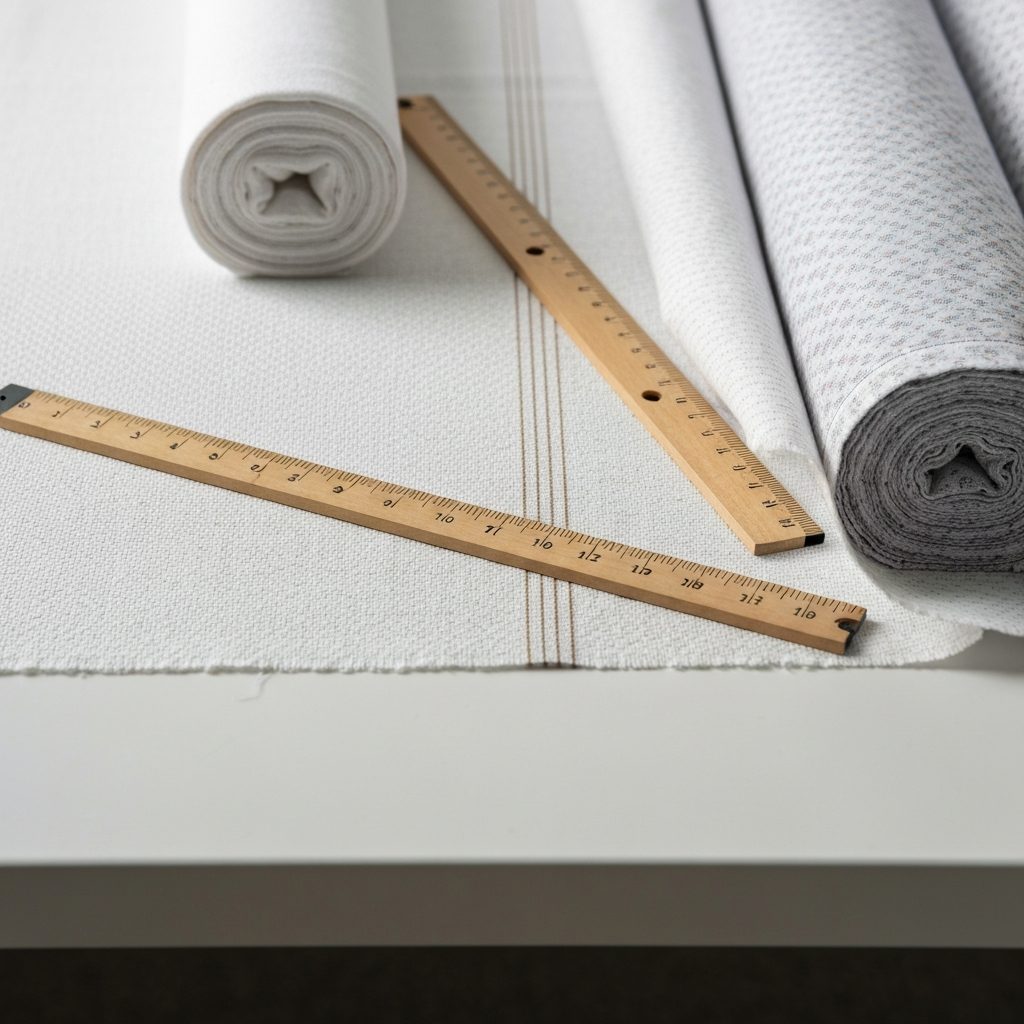
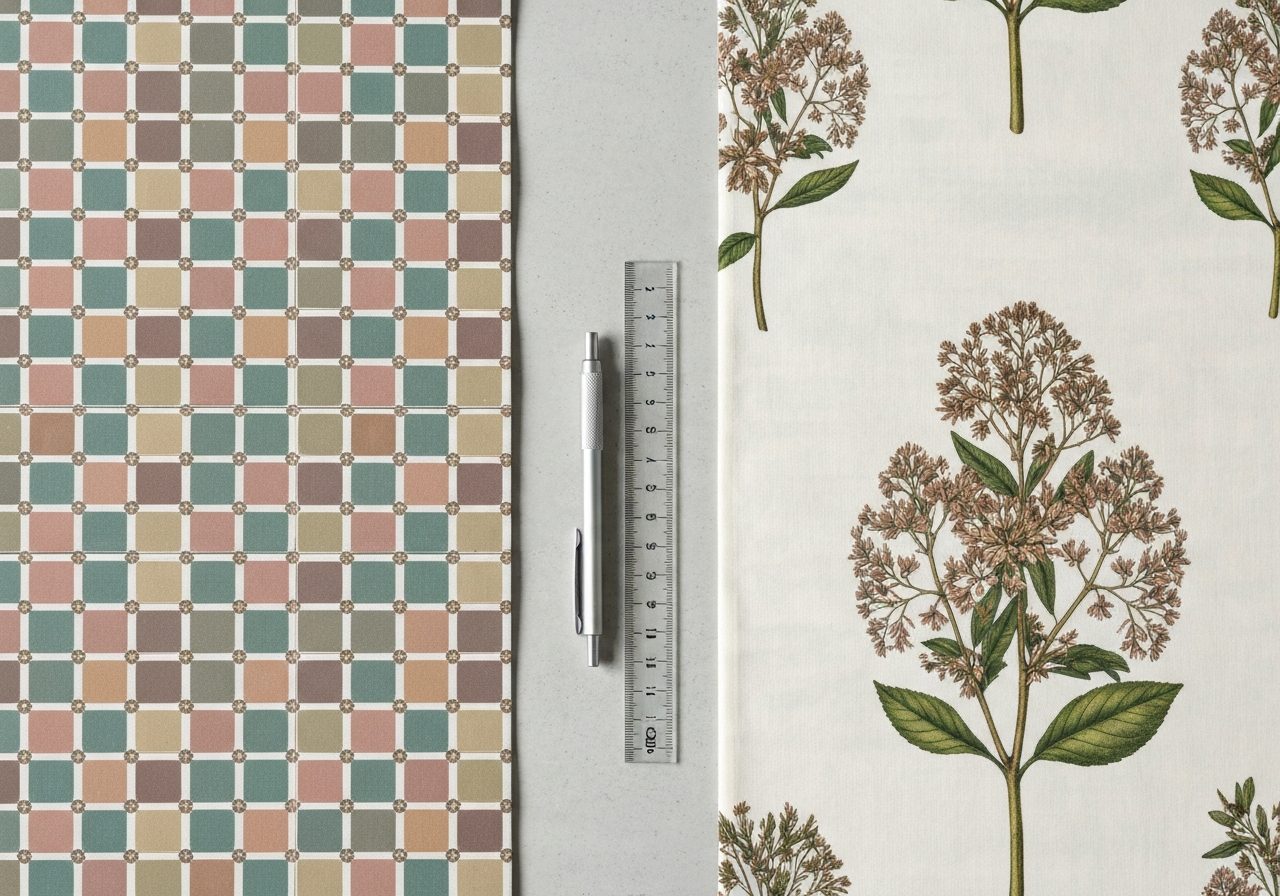
Every woven fabric has an invisible reference line called the grain line (warp direction). It runs parallel to the selvedge and determines how your print will sit on the cloth. Why does it matter? Cutting and sewing along the grain line produces better-quality results with less distortion — it's the standard for apparel, bedding, and bags.
When laying out your artwork, make sure the top of your design runs parallel to the selvedge. This is especially important if your print includes text, character faces, or clearly directional imagery such as standing animals or trees. Ignore the grain line and an entire production run can come out upside down.
Step 2: Choose the Right Layout Type for Your Design
Repeat (All-Over) Patterns
This is the most common format for printed fabric. Your motif tiles seamlessly across the full cloth width and length. When you prepare your artwork, align all four edges of the repeat unit precisely — even a 1 mm offset will show up as a visible seam line or overlapping colour block once printed.
- Small repeats: The pattern is dense and the join points are numerous, so check every single edge individually.
- Large repeats: Fewer join points and more design freedom — ideal for oversized florals or landscape-style compositions.
Placement Prints
When your design needs elements in exact positions — for example, a large solid-ground panel, a scattered all-over section, and a neat small-motif block all within the same yard — a placement layout is the only option. You specify the exact coordinates of every element on the cloth.
Two hard limits apply to placement prints:
- Width cannot exceed the fabric's finished width (our most common fabrics run 110–150 cm / approximately 43–59 inches — confirm before you start).
- Length cannot exceed 180 cm (roughly 71 inches / 2 yards) — beyond this, the print repeat is disrupted and motifs will be cut off.
If your layout includes adjacent sections with similar background colours — for instance, an off-white large-print panel next to an off-white small-print panel — add thin crop marks at the boundaries in your final file. These make it far easier to cut accurately and prevent costly mistakes.
Selvedge Logo Design
You can leave the selvedge blank or add your brand name or mark — a small but meaningful detail for indie labels building brand recognition. If you design a selvedge logo, keep the text height at least 2 cm to ensure it prints legibly.
Step 3: File Submission Checklist
Go through every point below before you submit. A single spec error can mean lower print quality or a full revision round:
- Resolution: 300 dpi minimum. Higher resolution = sharper, more detailed output.
- Text and shapes: Convert all type and special fonts to outlines so nothing reflows if the font is missing on our end.
- Colour mode: CMYK only (not RGB) for accurate colour reproduction in print.
- File format: AI or TIF preferred. JPG and PDF are acceptable provided the file opens cleanly and the repeat joins correctly.
If colour accuracy is critical — brand colours, logo palettes — reference Pantone Textile colour codes (TCX or TPX) and note them in your file. This significantly reduces the risk of colour drift between your screen and the finished fabric.
A Note on White
Digital fabric printing has no colour limit — except white. In digital inkjet printing, white is not an ink that gets laid down; it is simply the base cloth showing through. If your design relies on large areas of white, choose a white base cloth from the start and let the fabric do the work. That is the only way to achieve a clean, true white.
What to Include When You Submit
- Main repeat or placement artwork file (AI, TIF, or accepted alternative)
- Selvedge logo file (omit if not needed)
- A dimension reference diagram for the main repeat, clearly labelled width × height in cm
One important note: cocochi's house does not offer artwork revision or redraw services. If a file has problems — insufficient resolution, a repeat that won't join, wrong colour mode — we will return it for you to correct and resubmit. This policy exists to protect the integrity of your design and ensure every yard we print matches your creative intent.
Why Choose cocochi's house for Custom Fabric Printing?
cocochi's house is operated by KAIYO FABRIC CO., LTD., backed by a pattern-making team with over 40 years of industry experience. We have produced fabric for a leading Taiwanese childrenswear label and international licensed character brands. Our custom digital printing starts at 20 yards, with sampling and small trial runs available so you can validate your design before committing to a full production order. Our fabric range covers original Taiwan-designed printed cotton, Japanese-imported double gauze, and performance textiles — everything you need from concept to finished cloth, in one place.
Want to know more about fabric widths, pricing, or how to start a small-batch order? Get in touch via LINE @kaiyofabric and one of our team will get back to you directly.
№ / FAQ
FAQ
- Q. What is the minimum order quantity for custom printed fabric at cocochi's house?
- The minimum order for custom digital printing is 20 yards. Sampling and small trial runs are available before you commit to a full production run, which is ideal for indie designers and small brands wanting to test a design first.
- Q. Do I need to supply my artwork in CMYK, and does it matter if I work in RGB?
- Yes, CMYK is required. RGB colours are optimised for screens and will shift when converted to print. Submitting your file in CMYK from the start — and referencing Pantone TCX/TPX codes for brand-critical colours — gives you the most accurate colour reproduction on the finished fabric.
- Q. How do I get true white in my printed fabric design?
- Digital inkjet printing does not use white ink. Any area of white in your design is simply the base cloth showing through. To achieve a clean, bright white, you must choose a white base fabric. Printing the same design on an off-white or natural cloth will result in a warmer, muted background instead.
- Q. Can cocochi's house fix or redraw my artwork file if it has problems?
- No. cocochi's house does not offer artwork revision or redraw services. If your file has issues — such as a repeat that won't tile correctly, resolution below 300 dpi, or an RGB colour profile — it will be returned for you to correct. This ensures the final print accurately reflects your original design.
- Q. What fabric types are available for custom printing, and what widths should I design for?
- cocochi's house offers custom printing on a range of fabrics including original Taiwan-designed printed cotton, Japanese-imported double gauze, and performance textiles. Fabric widths typically run between 110 cm and 150 cm (approximately 43–59 inches). Always confirm the exact width of your chosen fabric before finalising your artwork, especially for placement print layouts.
№ / READ NEXT
Read next
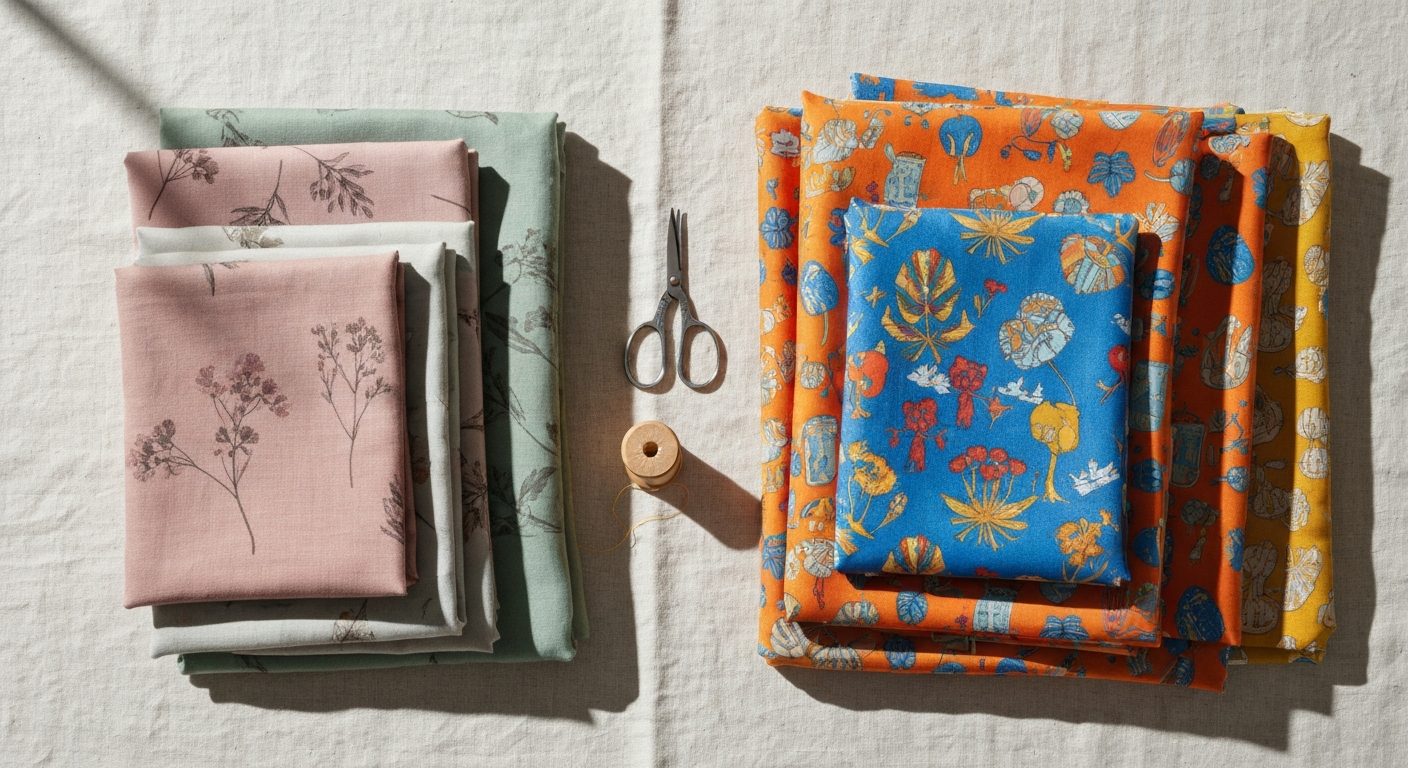
Morandi vs. Bold Prints: How to Choose the Right Fabric Colour Style for Your Collection
May 18, 2026
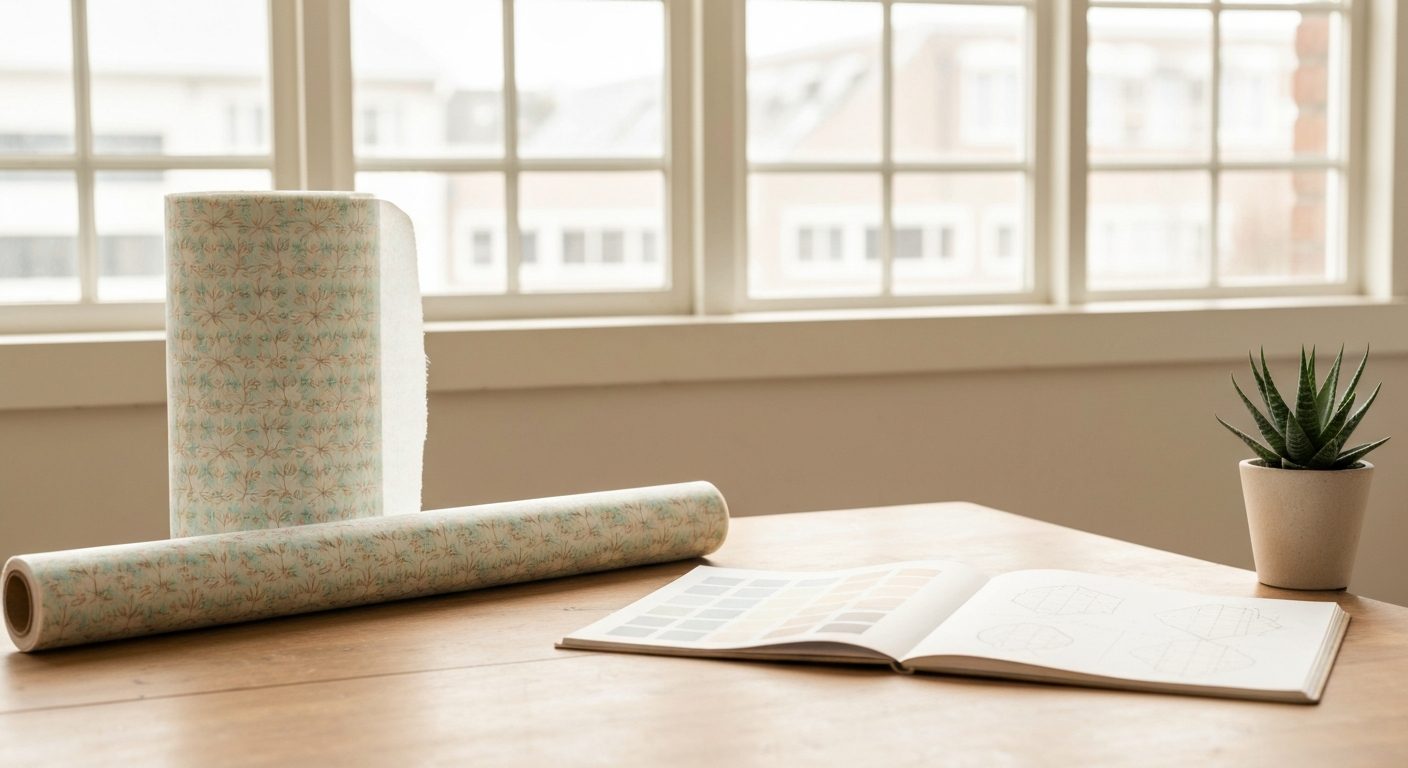
Custom Printed Fabric: The Complete 4-Stage Process — From Artwork to Finished Bolt
May 18, 2026
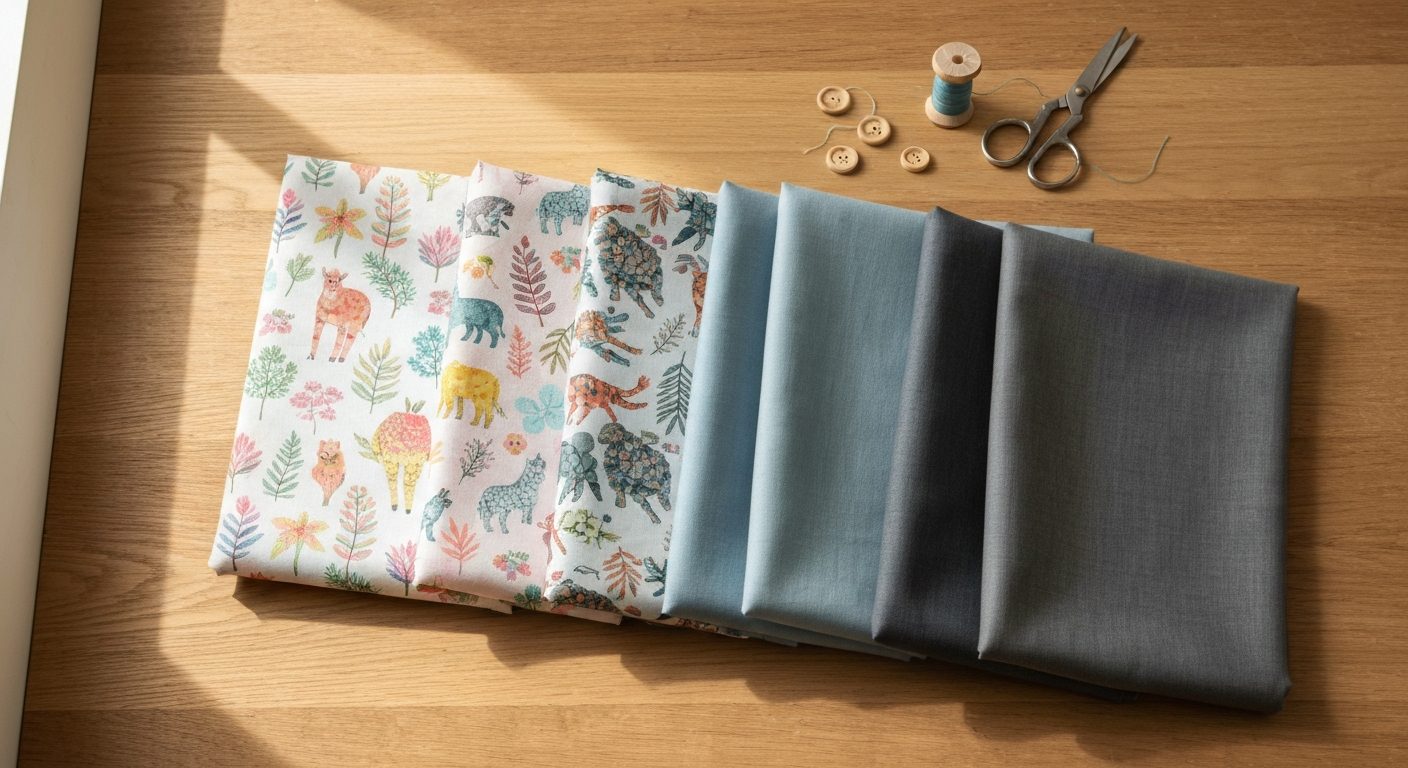
Printed Fabric vs. Solid Fabric: Which Should You Choose? 4 Decision Angles for Designers and Makers
May 18, 2026