№ / JOURNAL
Custom Printed Fabric: The Complete 4-Stage Process — From Artwork to Finished Bolt
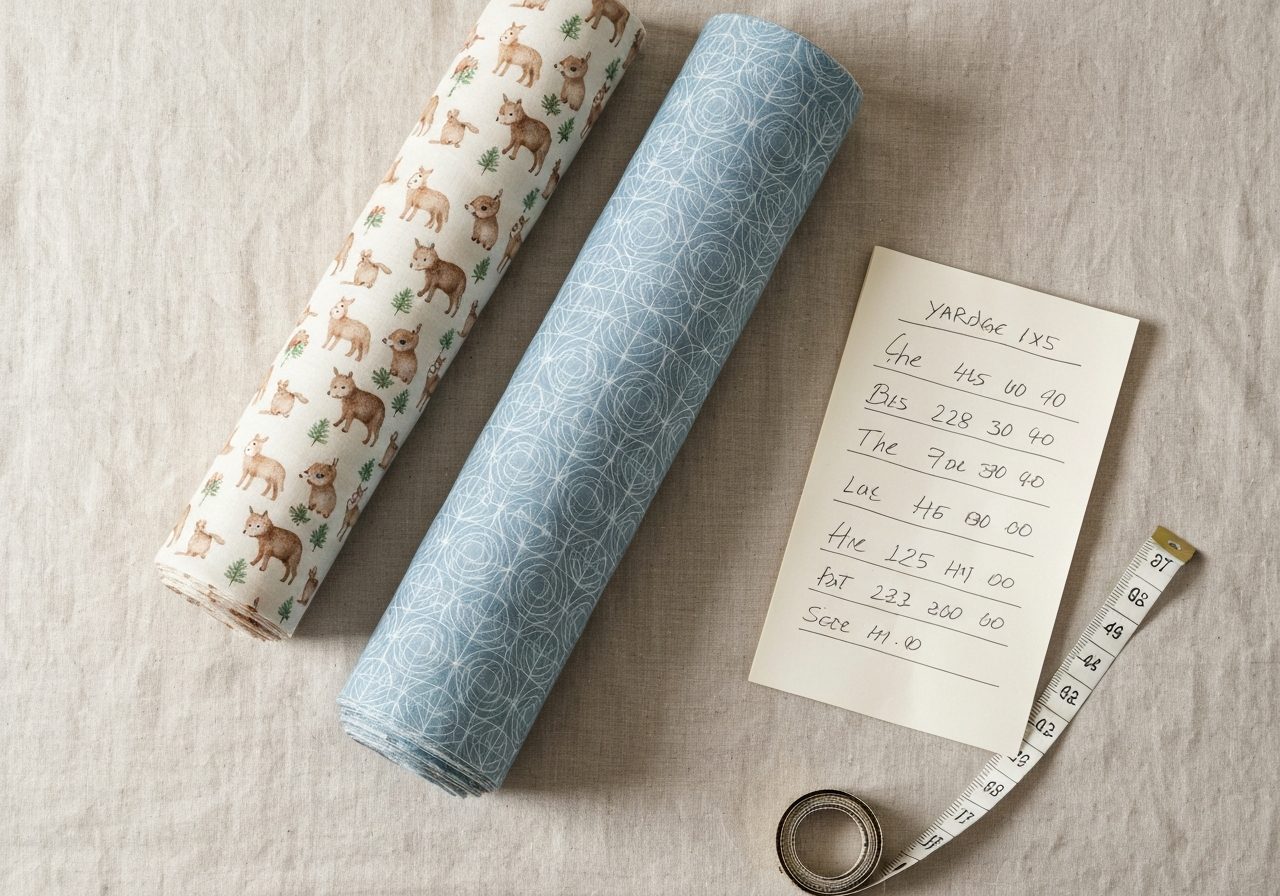
From Artwork to a Full Bolt of Fabric — Starting at Just 20 Yards
Got a design you want to print on fabric? Whether you're building a children's apparel line, launching a craft brand, or exploring small-batch fabric printing for the first time, cocochi's house (KAIYO FABRIC CO., LTD.) makes custom digital printing accessible — starting at just 20 yards per colorway, with no pressure to commit to large quantities upfront.
The process runs through four clear stages: Artwork Submission → Sample Approval → Full Production → Shipping. From the day you hand over your finished files to the day the fabric arrives at your door, the timeline is typically 3–6 weeks, depending on fabric type and how many rounds of sampling are needed.
Behind this service is a pattern-making team with over 40 years of experience under KAIYO FABRIC CO., LTD. — the same team that has produced fabric for a leading Taiwanese childrenswear label and international licensed character brands. That track record matters if you care about consistent color and garment-grade quality.
Stage 1: Artwork Submission — Repeat Pattern or Placement Print?
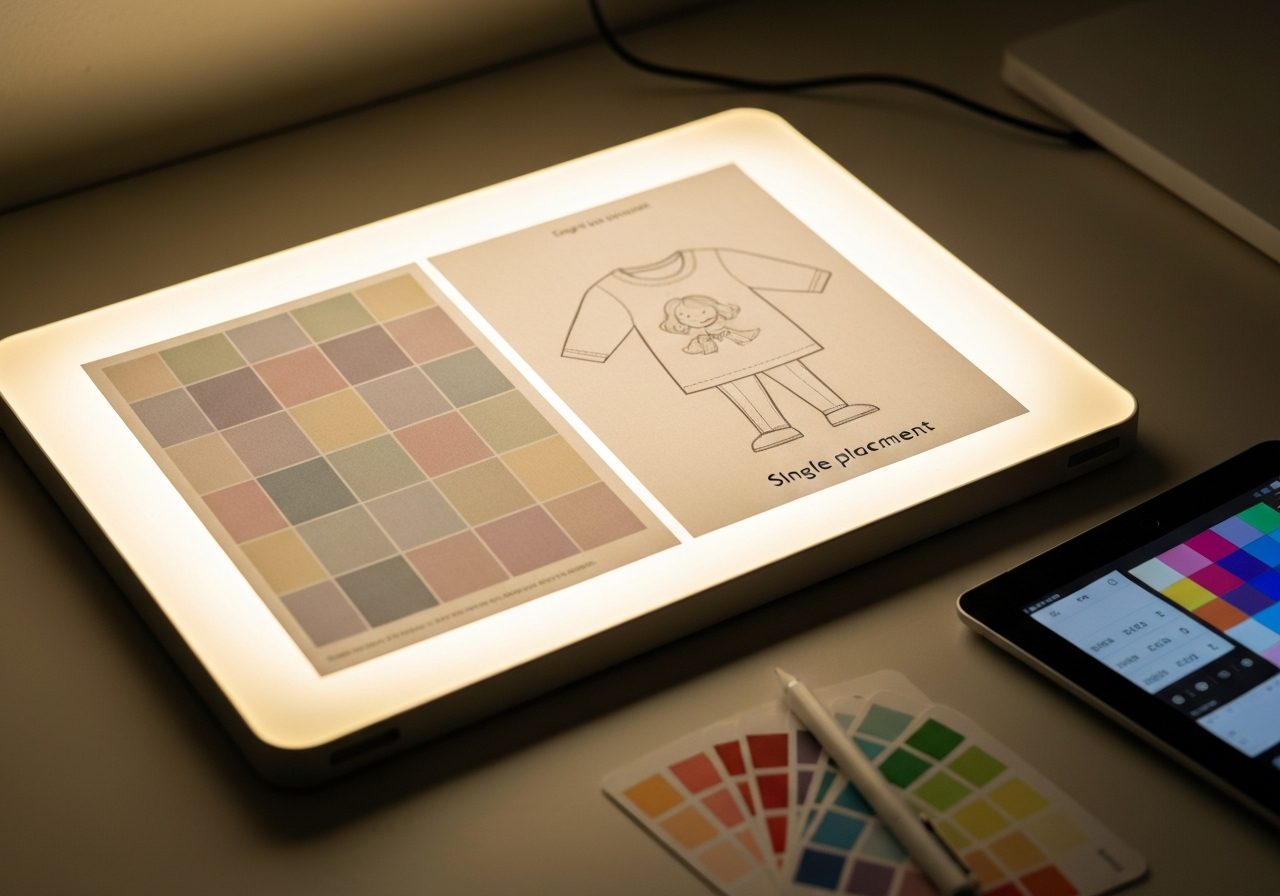
The first decision shapes everything that follows: how do you want your design to sit on the fabric? There are two main layout types, and each affects how the finished cloth looks and how it behaves when cut.
Repeat Pattern
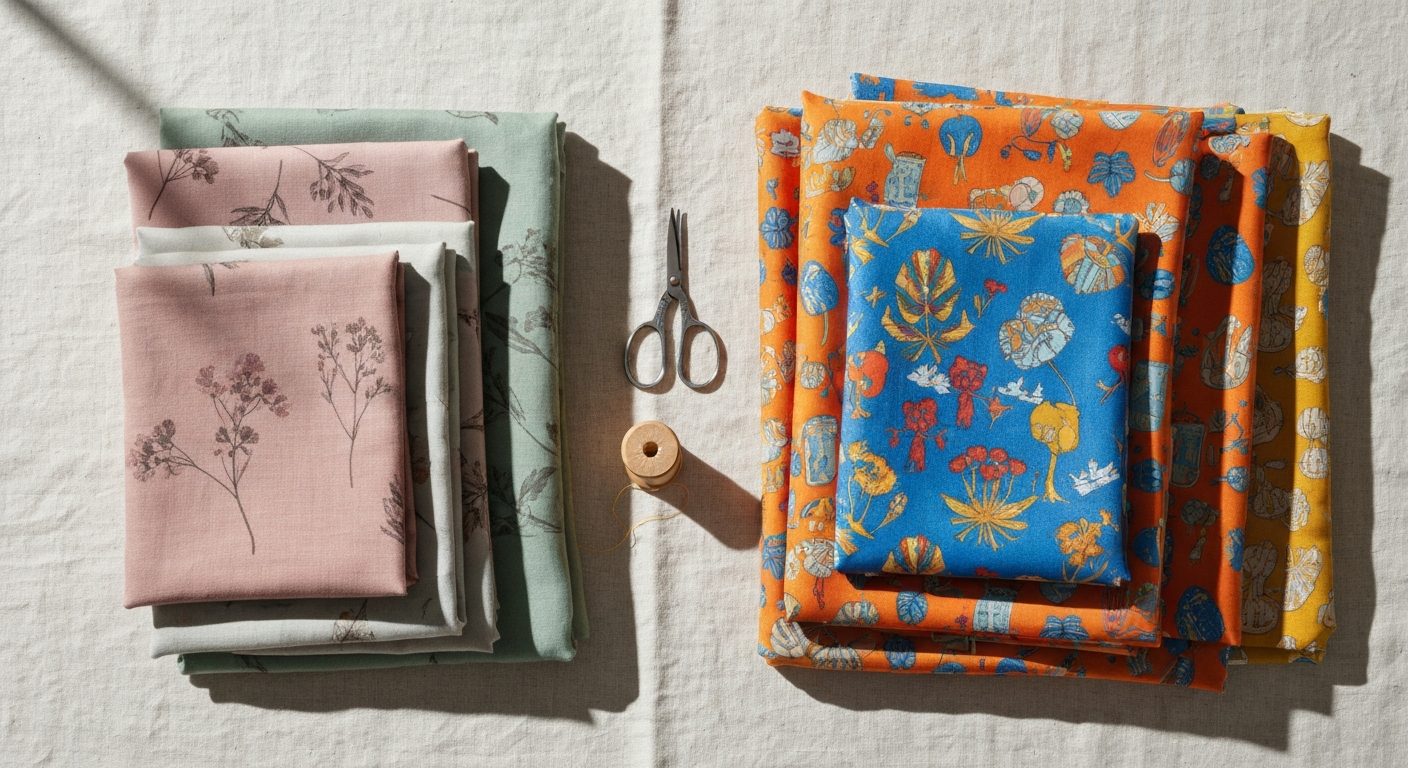
Your design tiles seamlessly across the full width of the cloth — left to right, top to bottom, with no visible seams. This is the most common format for printed cotton fabric, baby goods, and home textiles. It's also the layout used across cocochi's own Taiwan-designed original print collections, which feature native flora, fauna, folk tales, and seasonal motifs.
- Confirm the repeat size before you start designing — digital printing equipment has a maximum repeat dimension, and it varies by machine
- Your artwork must tile seamlessly in all four directions
- Best suited for fabrics that will be cut in multiple directions or large quantities
Placement Print
Your graphic is locked to a specific position on the cloth — for example, a chest panel illustration or a corner motif at the cuff. This approach works well for children's apparel with a defined pattern block or for statement pieces.
- You'll need to supply the pattern piece dimensions and a reference diagram showing where the print should land
- Placement printing requires more setup work, so pricing differs from repeat patterns — confirm costs early
File Specifications
- Preferred formats: AI, PSD, or TIFF at 150–300 dpi (measured at the actual printed size)
- Color mode: RGB — digital printing outputs in RGB. Converting to CMYK before submission will introduce color shifts, so keep your working file in RGB throughout
- Maintain bleed areas and keep elements on separate layers to allow for fine-tuning
Not sure your file is set up correctly? Send it directly via LINE @kaiyofabric before you finalize anything — it's faster than email and the team can catch issues before they become costly.
Stage 2: Sampling — Approve Color and Hand Before Going to Production
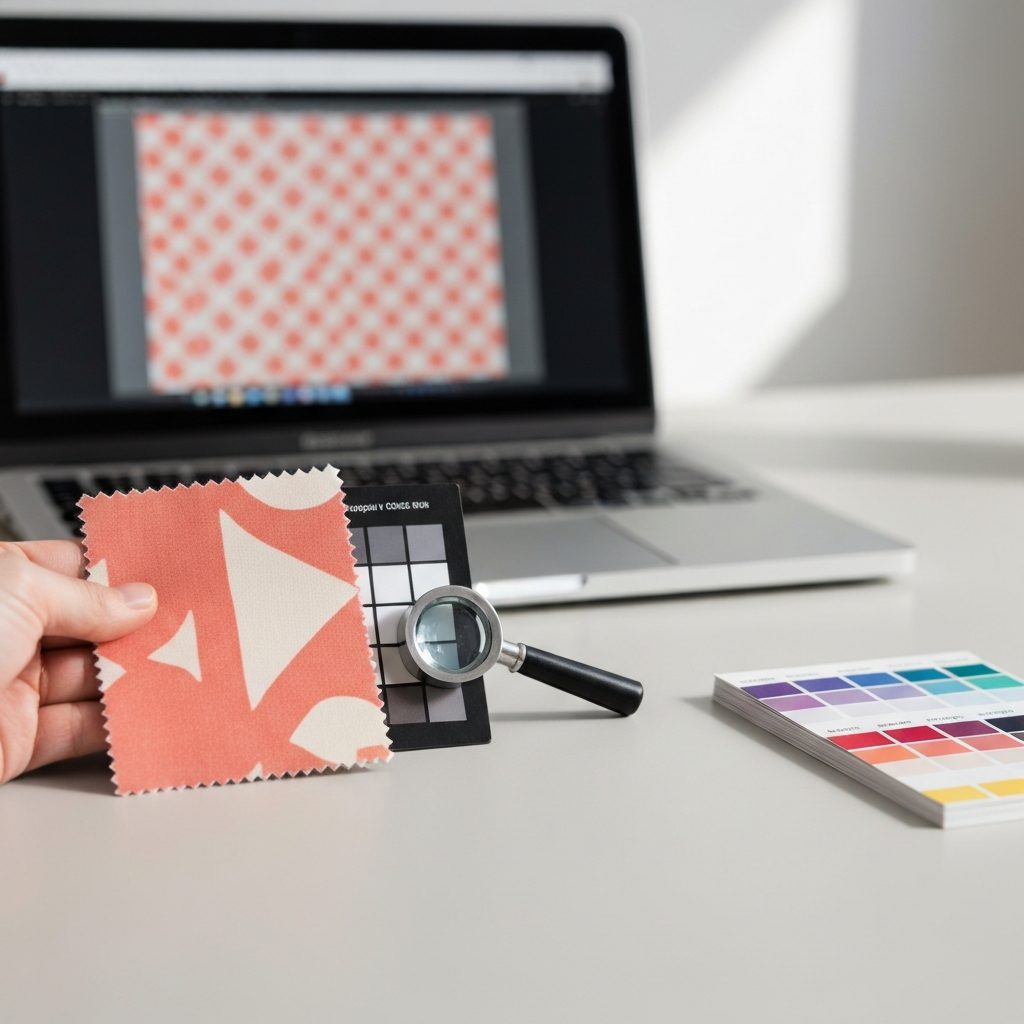
The most common fear in custom digital printing is a simple one: the color on screen looks nothing like the color on cloth. Sampling exists to close that gap before you're committed to a full run.
How the Sampling Process Works
- Submit your artwork and specify your fabric type (see Stage 3 for fabric options)
- The client services team reviews specs, repeat size, and quantity — then provides a sample quote
- Approve the sample fee and make payment to begin sample production
- Receive the sample swatch and evaluate color accuracy, hand feel, and print registration
- If color correction is needed, submit revision notes — the team will re-sample or move to full production based on your sign-off
Sample Cost and Lead Time
Sample pricing depends on fabric type and artwork complexity. Contact the team for a quote. Standard sample production takes 7–14 business days. During peak seasons — particularly in the lead-up to year-end holidays — expect this to run longer. Plan at least 6–8 weeks ahead if you're working to a deadline.
Sample fees are typically credited toward your production order once you confirm the full run. Ask the team to confirm the exact credit terms when you request your quote.
Stage 3: Full Production — Fabric Options, Width, and Color Tolerance
Fabric Options
cocochi's house offers custom printing on a curated selection of fabrics sourced from Japan and Taiwan. The main options are:
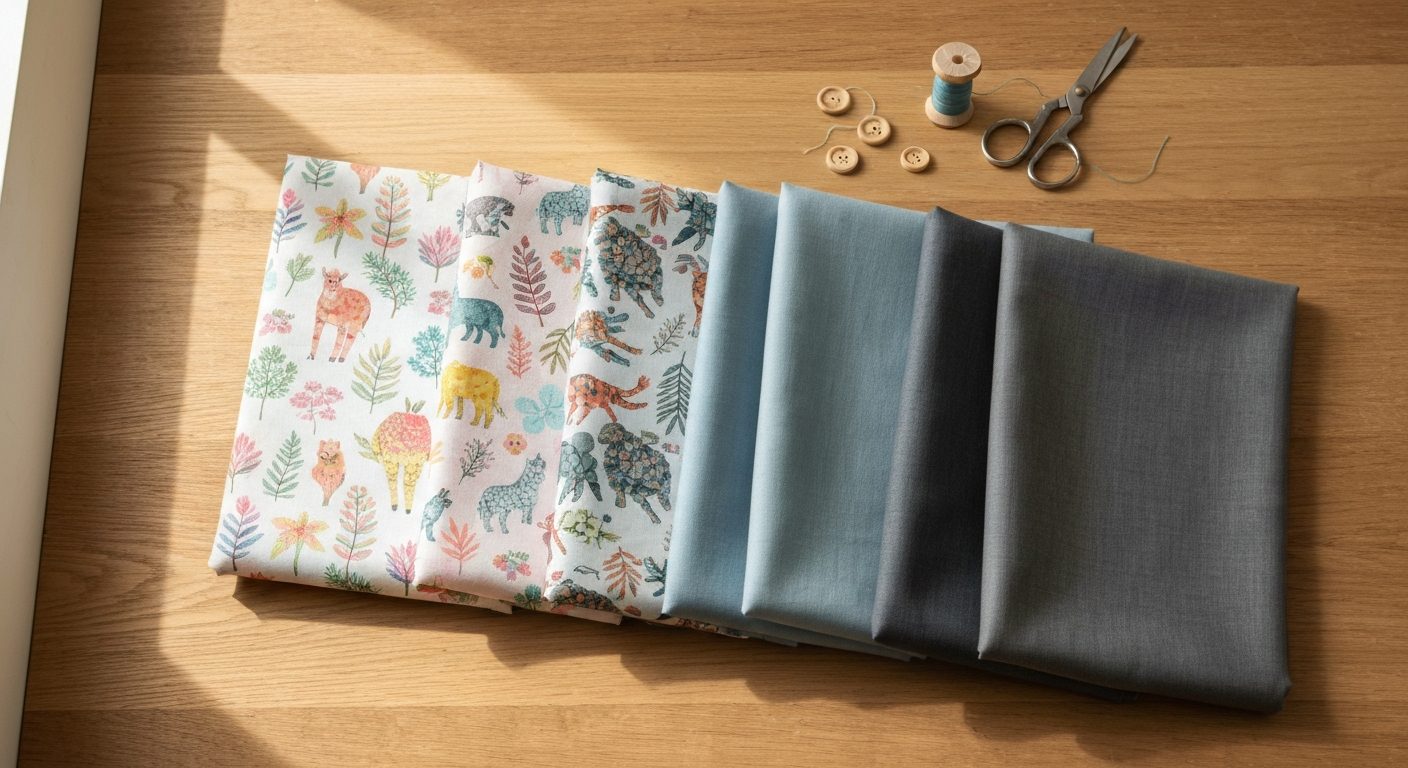
- Plain-weave cotton: Breathable, easy to cut and sew — ideal for children's clothing and home goods
- Double gauze: Japanese imported double gauze, soft and lofty — well suited to infant garments and bedding
- Performance fabric: Available for specific functional apparel needs — confirm requirements with the team
Each fabric type responds to ink differently. Plain-weave cotton produces vivid, saturated color. Double gauze, because of its two-layer fiber structure, gives a slightly softer, more diffused result. Always confirm your final color on the actual target fabric during the sampling stage — don't rely on a cotton sample if you're ordering double gauze.
Fabric Width
Production fabric is available in two widths: 110 cm (approx. 43 in.) and 140 cm (approx. 55 in.). Choose based on your pattern pieces. The 140 cm width is more efficient for larger garment panels or designs with a wide repeat, as it reduces the number of seams needed.
Color Tolerance in Production
Batch-to-batch variation is a normal characteristic of digital printing at production scale. The standard tolerance is ±5% color value. If your design requires precise brand color matching, address this during sampling — get the color dialed in before sign-off, and document the agreed tolerance in your order confirmation.
Minimum Order Quantity
The minimum for custom production printing is 20 yards per colorway. If you're ordering multiple colorways of the same design, each colorway is counted separately — you cannot combine different prints to reach the 20-yard minimum. See the FAQ below for more detail.
Stage 4: Shipping — Packaging, Delivery, and Invoicing
Once production is complete and quality inspection is passed, your order moves to shipping.
- Packaging: Fabric is rolled on a cardboard tube and wrapped with a waterproof outer layer to prevent moisture damage and creasing in transit
- Domestic delivery (Taiwan): Shipped via T-Cat or Hsinchu Logistics.Original print fabric ships free within Taiwan on orders of 100 yards or more; shipping for custom printing and Japanese imports is quoted per order.
- Invoicing: Electronic invoices are issued in compliance with Taiwan's e-invoice regulations. Business customers who need a tax ID (統編) on the invoice should provide it at checkout
- International shipping: Available — contact the team for a shipping quote to your country
If you need split deliveries or a specific arrival date, mention it when you place your order so production can be scheduled accordingly.
Full Timeline at a Glance
| Stage | Estimated Time |
|---|---|
| Artwork review and confirmation | 1–3 business days |
| Sample production | 7–14 business days |
| Sample review / color correction | 3–7 days (depends on revision rounds) |
| Full production | 10–20 business days |
| Shipping and delivery | 1–3 business days |
If everything goes smoothly — one round of sampling, no major color corrections — expect to receive your finished fabric in around 3–4 weeks from artwork submission. Factor in 5–6 weeks if you anticipate revision rounds or if your project falls during a peak season. The earlier you start, the more options you have.
Need a realistic timeline for your specific project? Get in touch via LINE @kaiyofabric and describe what you're working on — the team will give you an honest estimate.
№ / FAQ
FAQ
- Q. Can I combine two different designs to reach the 20-yard minimum?
- No. The 20-yard minimum applies per colorway or design. If you want to print two different patterns, each one must meet the 20-yard minimum independently. You cannot pool yardage across designs to qualify.
- Q. Do I have to pay for a sample, and will that cost apply toward my production order?
- Yes, sampling is a paid step — the cost depends on your fabric type and artwork complexity. In most cases, the sample fee is credited toward your full production order once you confirm. Ask the client services team to confirm the exact credit terms when you request your quote, as conditions can vary.
- Q. My design has very specific brand colors. How accurate will the printed result be?
- Digital printing carries a standard batch tolerance of ±5% color value. If you need tighter color accuracy — for example, a brand palette that must stay consistent across seasons — invest extra attention in the sampling stage. Get the color corrected and approved on the actual target fabric before signing off on production, and document the agreed tolerance in writing.
- Q. What file format and color mode should I use when submitting my artwork?
- Submit your artwork as an AI, PSD, or TIFF file at 150–300 dpi, measured at the intended print size. Keep your file in RGB color mode — digital printing outputs in RGB, and converting to CMYK before submission will cause color shifts. Maintain separate layers and include bleed areas to allow for adjustments.
- Q. Do you ship internationally, and how does that work?
- Yes, international shipping is available. Because shipping costs vary significantly by destination, weight, and carrier, pricing is handled case by case. Contact the team via LINE @kaiyofabric with your shipping address and estimated order size to get a quote before you commit.
№ / READ NEXT