
№ / JOURNAL
The Printing Revolution: Why Digital Fabric Printing Is a Real Climate Win

The Printing Revolution: Why Digital Fabric Printing Is a Real Climate Win
Think fabric printing still means screen printing, chemical dye baths, and rivers of wastewater? It's time to update that picture. With ESG targets tightening and sustainable sourcing moving from nice-to-have to non-negotiable, digital fabric printing is quietly rewriting the rules of the textile industry — and it's a change worth understanding before you place your next order.
Traditional Printing vs. Digital Printing: The Numbers Side by Side
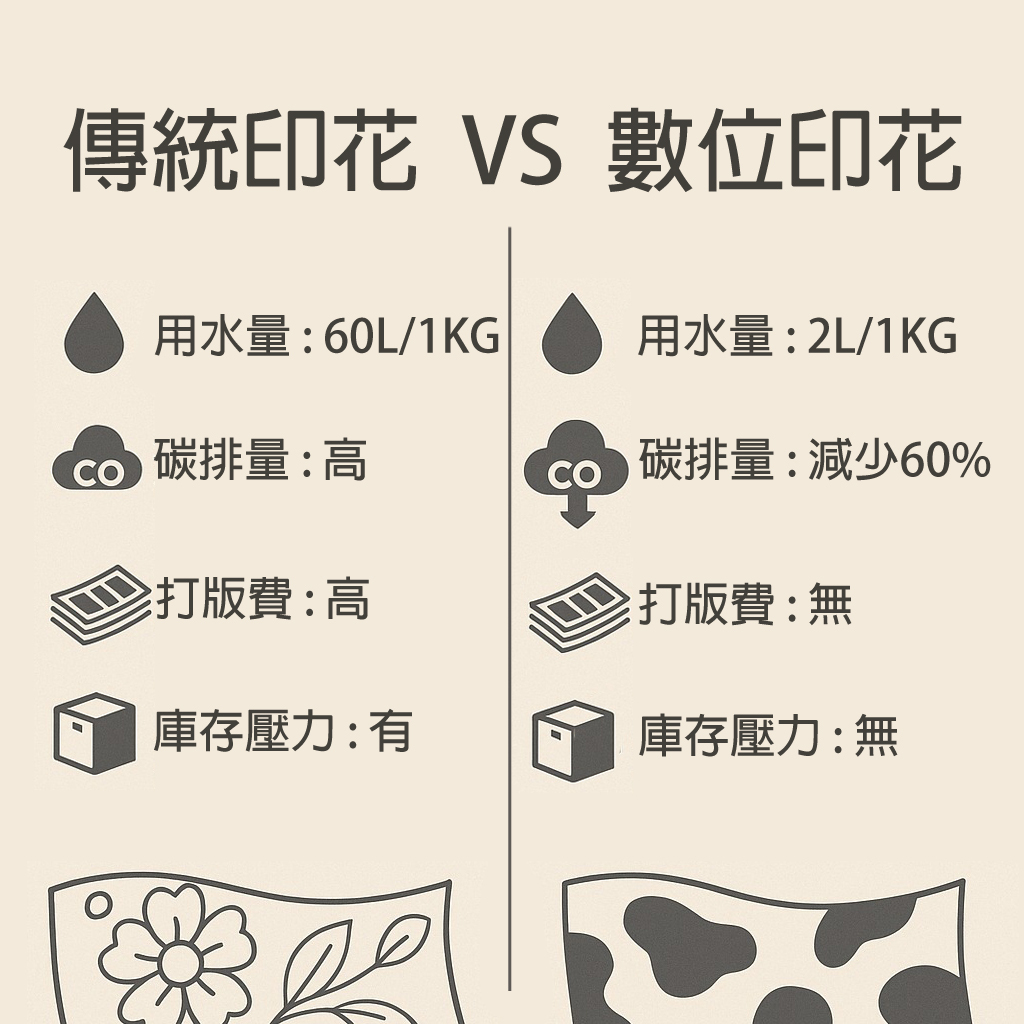
The environmental gap between the two methods is stark.
- Traditional screen printing consumes roughly 60 litres of water per kilogram of fabric and generates significant chemical wastewater and carbon emissions at every stage.
- Digital printing requires fewer than 2 litres of water per kilogram — a reduction of up to 97%. There are no screens to prepare, no excess dye to flush, and no minimum run forcing you to over-produce and over-stock.
The Carbon Data — Not Just Marketing Copy
According to figures published by Textile World and the Sustainable Apparel Coalition, switching from conventional to digital printing delivers:
- ✅ Up to 60% reduction in water use and wastewater discharge
- ✅ More than 50% lower carbon emissions across the print process
- ✅ Significantly less chemical dye waste, reducing the risk of waterway contamination
What This Means in Practice at cocochi's house
Every original-print fabric we produce at cocochi's house (楷宥布料 / KAIYO FABRIC CO., LTD.) is printed using digital printing technology. Based on industry benchmark calculations, our annual impact compared with an equivalent volume of traditionally printed fabric looks like this:
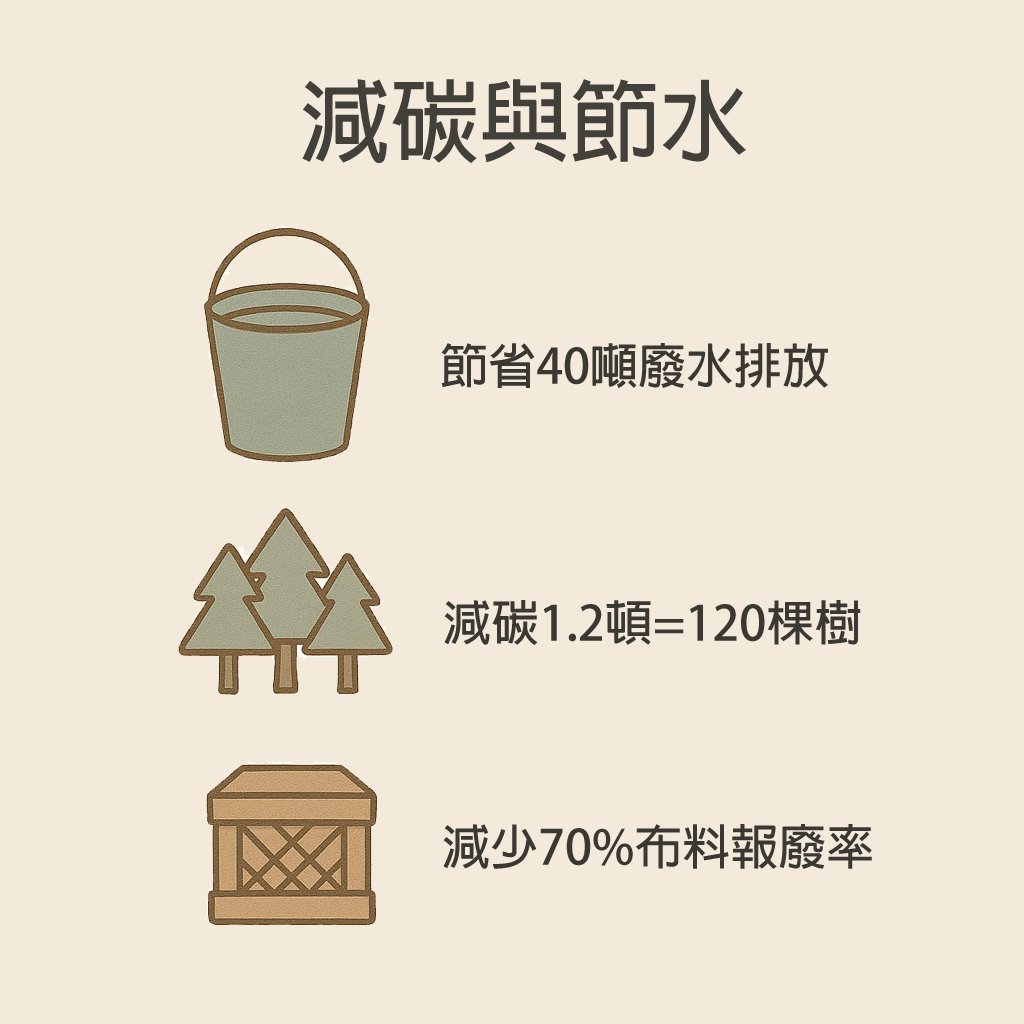
- ✅ Carbon reduction: 50–60% — roughly 1.2 to 1.8 metric tonnes of CO₂ saved per year, equivalent to the annual carbon absorption of approximately 120 mature trees
- ✅ Water savings: 90–97% — an estimated 35 to 40 tonnes less wastewater discharged each year
- ✅ 60–80% reduction in deadstock waste — because small-batch fabric printing means you order what you need, not what the minimum screen run forces on you
What This Means for You as a Designer or Brand
Every yard of Taiwan-designed printed fabric you order through a digital process is a direct, measurable contribution to lower emissions — not a vague promise. For indie children's apparel brands building a sustainable sourcing story, or for textile designers who care about where their cotton comes from, this is a concrete talking point you can share with your own customers.
Small-batch custom digital printing starts from as low as 20 yards at cocochi's house, so you can keep inventory lean, test new original print cotton fabric designs without over-committing, and still meet the values your audience expects.
Join the Conversation
Have you thought about the environmental footprint of your fabric choices? Would you factor in printing method when deciding where to source your next run? We'd love to hear how sustainable sourcing fits into your brand decisions.
Share this post with a fellow designer or brand owner — together, we can use fabric to make a real difference. 👇
Ready to move to cleaner printing? Get in touch to discuss your next custom digital printing project, or request a sample to feel the quality for yourself.
№ / FAQ
FAQ
- Q. What is the minimum order for custom digital fabric printing at cocochi's house?
- The minimum order for custom digital printing is 20 yards. This low threshold makes it practical for indie designers, small children's apparel brands, and craft businesses that want original print cotton fabric without committing to large inventories.
- Q. How does digital printing actually reduce water use compared with screen printing?
- Traditional screen printing requires extensive water for mixing dyes, washing screens, and rinsing fabric — roughly 60 litres per kilogram of cloth. Digital printing jets ink directly onto fabric with precision, eliminating most of those wet stages and cutting water consumption to under 2 litres per kilogram, a saving of up to 97%.
- Q. Is digitally printed fabric as durable and colour-fast as screen-printed fabric?
- Yes. Modern reactive and pigment digital inks bond tightly to cotton fibres and meet standard wash-fastness and rub-fastness requirements. At cocochi's house, fabrics go through quality checks before dispatch to ensure colour consistency and durability across your run.
- Q. Can I use my own artwork or pattern for a custom fabric order?
- Absolutely. You can submit your own design file for small-batch digital printing. cocochi's house also has an in-house pattern-making team with over 40 years of experience who can help develop or refine a print if you need design support before going to print.
- Q. Does switching to digital printing help me meet ESG or sustainability reporting requirements for my brand?
- It can. Because digital printing produces measurably lower water use and carbon emissions per metre of fabric — figures backed by sources such as Textile World and the Sustainable Apparel Coalition — you can cite these benchmarks in supplier documentation or customer-facing sustainability reports. Get in touch if you need specific data to support your sourcing claims.
№ / READ NEXT
Read next
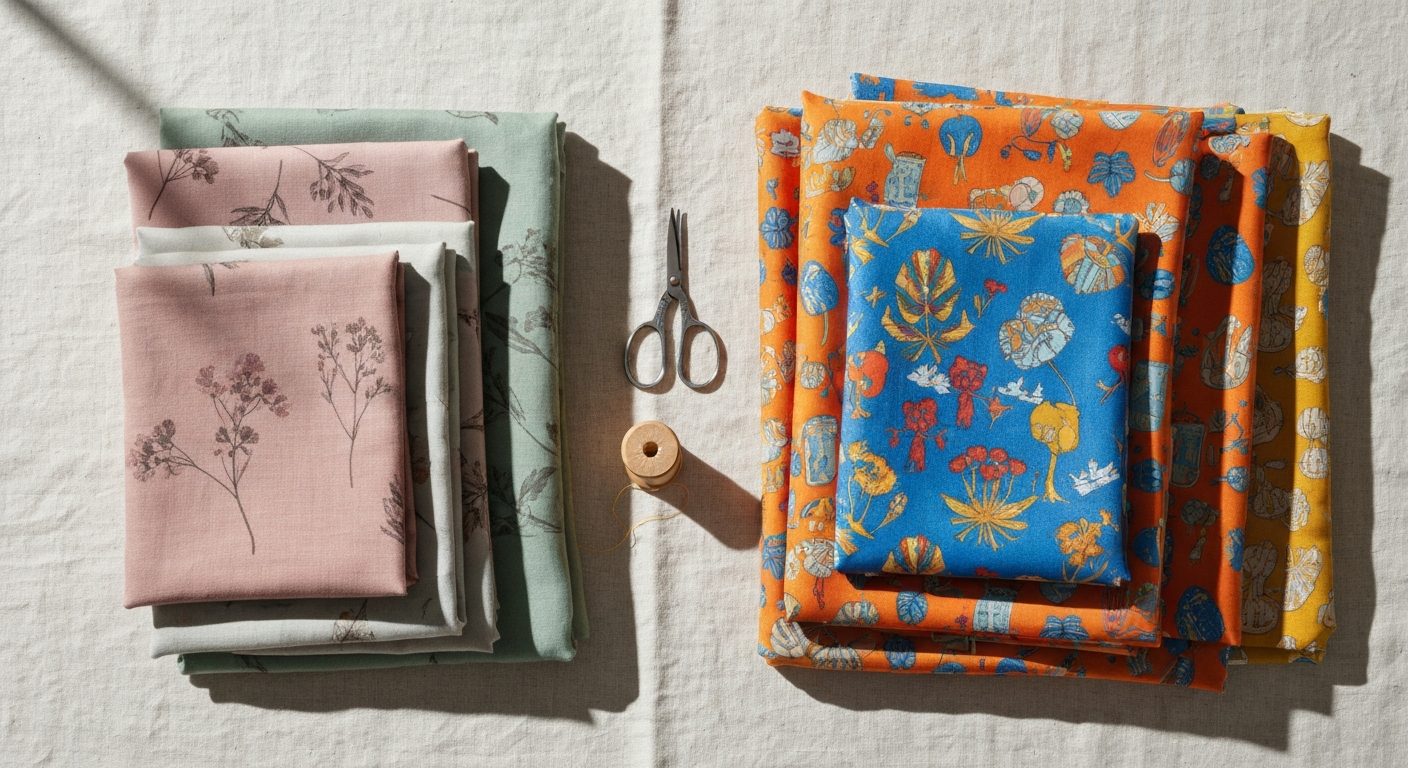
Morandi vs. Bold Prints: How to Choose the Right Fabric Colour Style for Your Collection
May 18, 2026
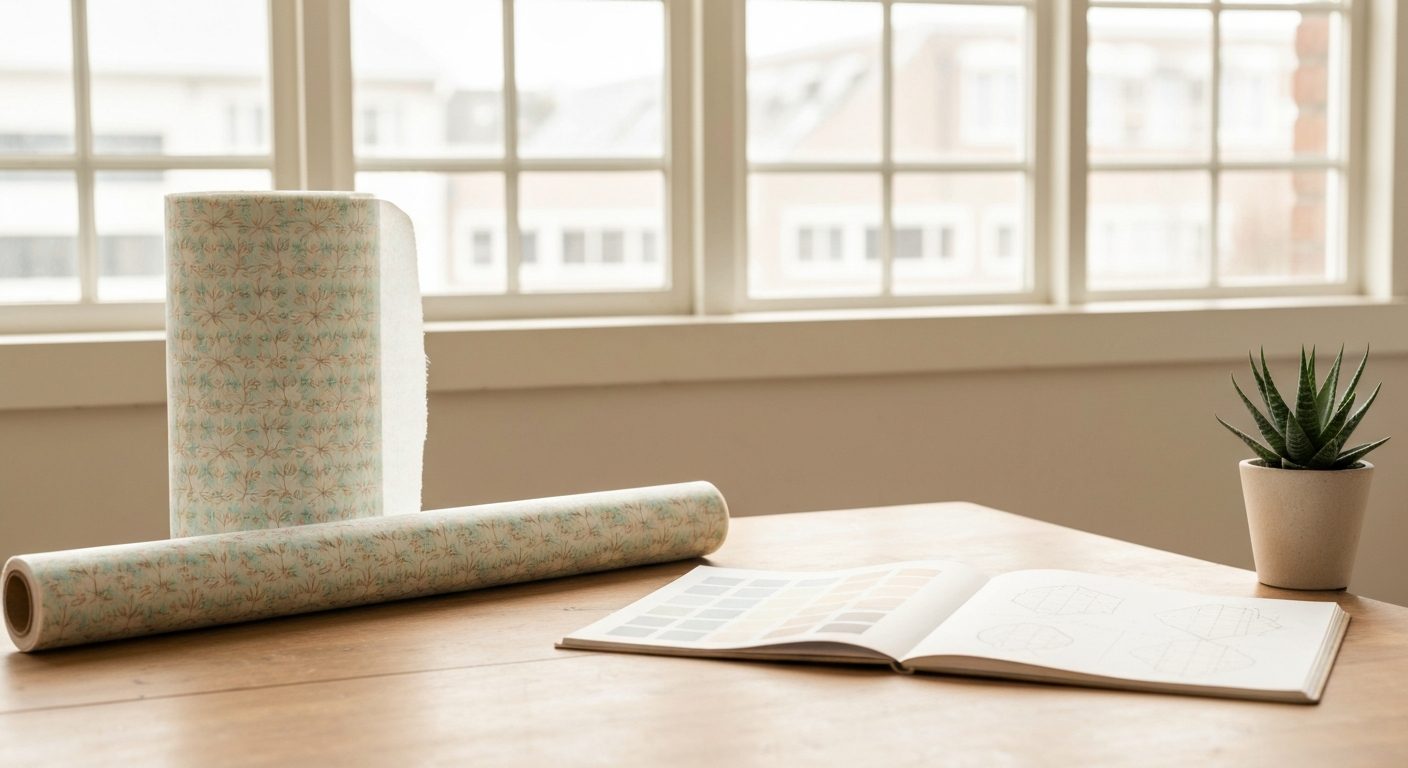
Custom Printed Fabric: The Complete 4-Stage Process — From Artwork to Finished Bolt
May 18, 2026
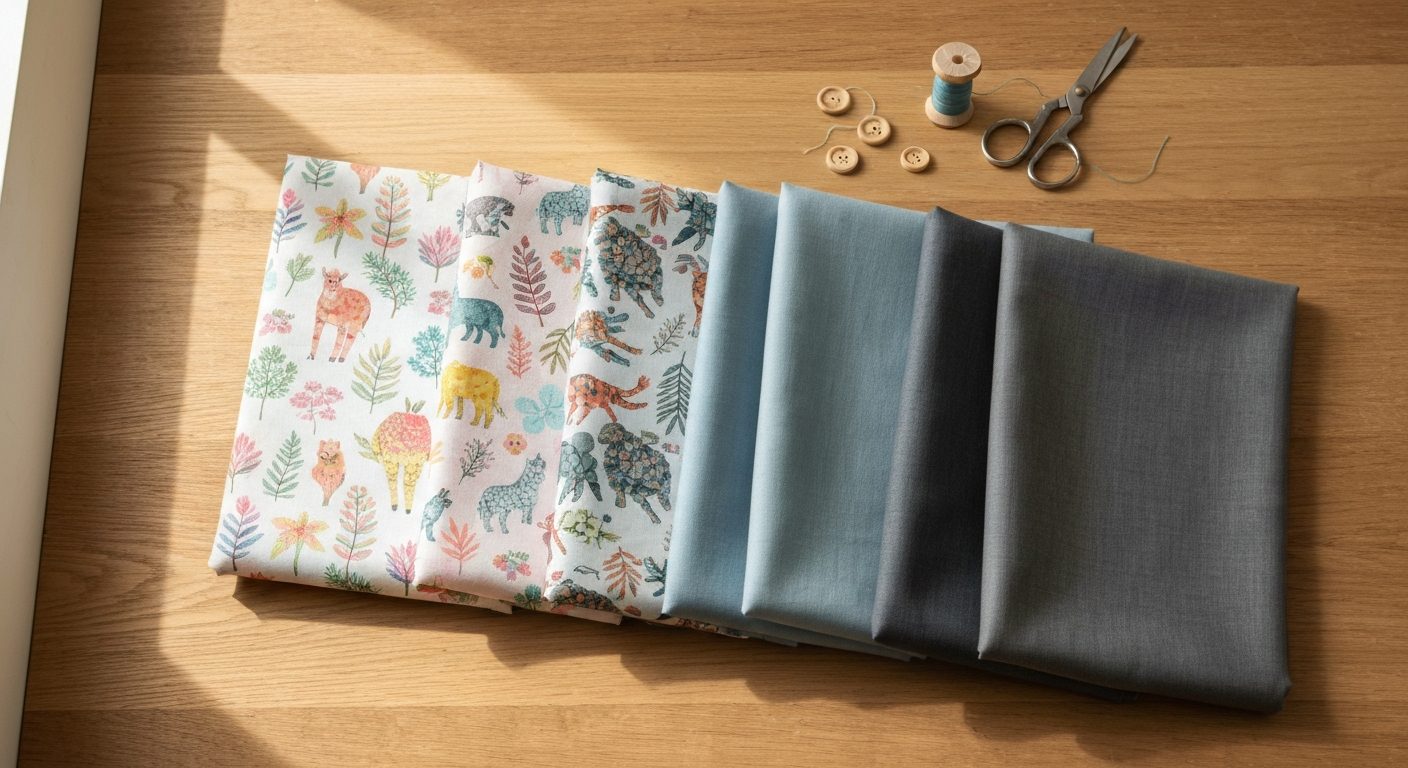
Printed Fabric vs. Solid Fabric: Which Should You Choose? 4 Decision Angles for Designers and Makers
May 18, 2026