
№ / JOURNAL
How to Wash Printed Fabric Without Fading: A 6-Step Care Guide
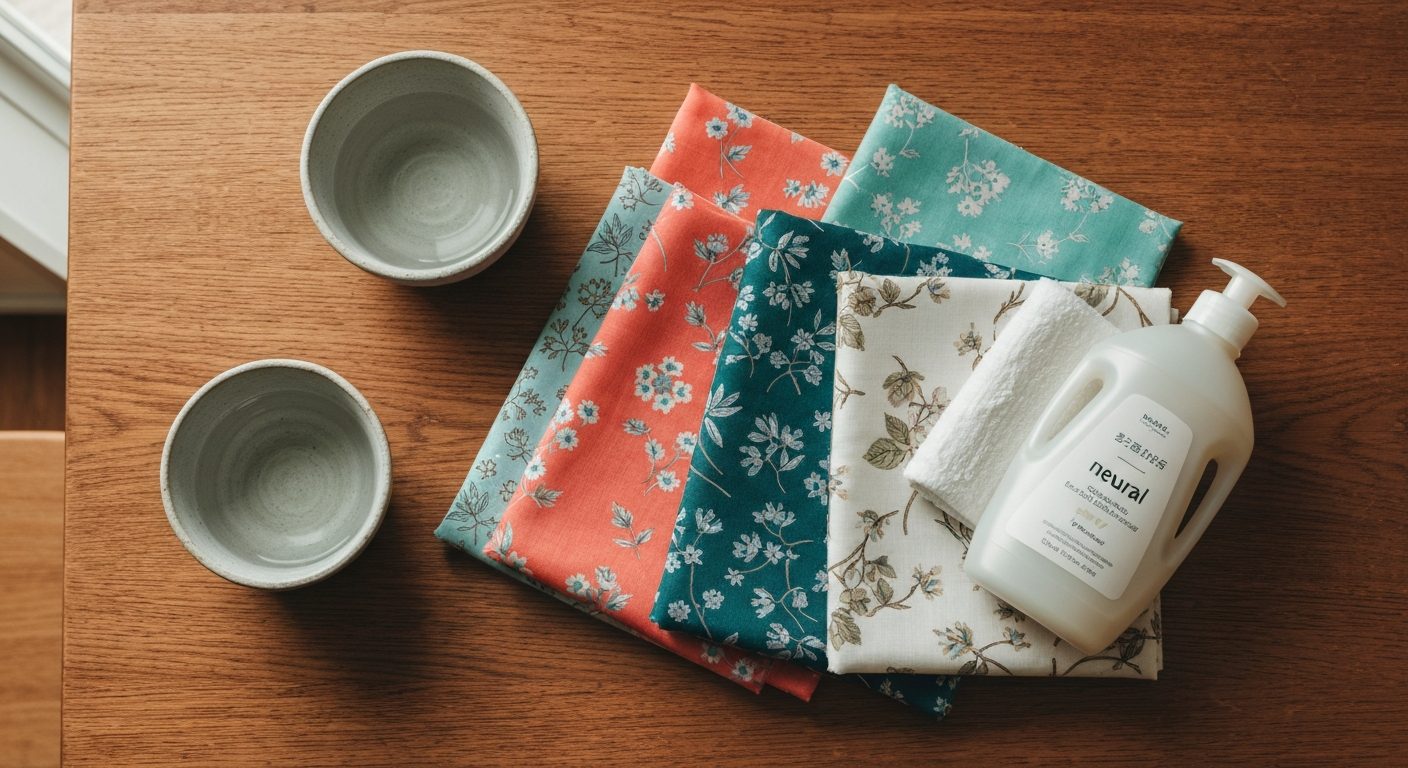
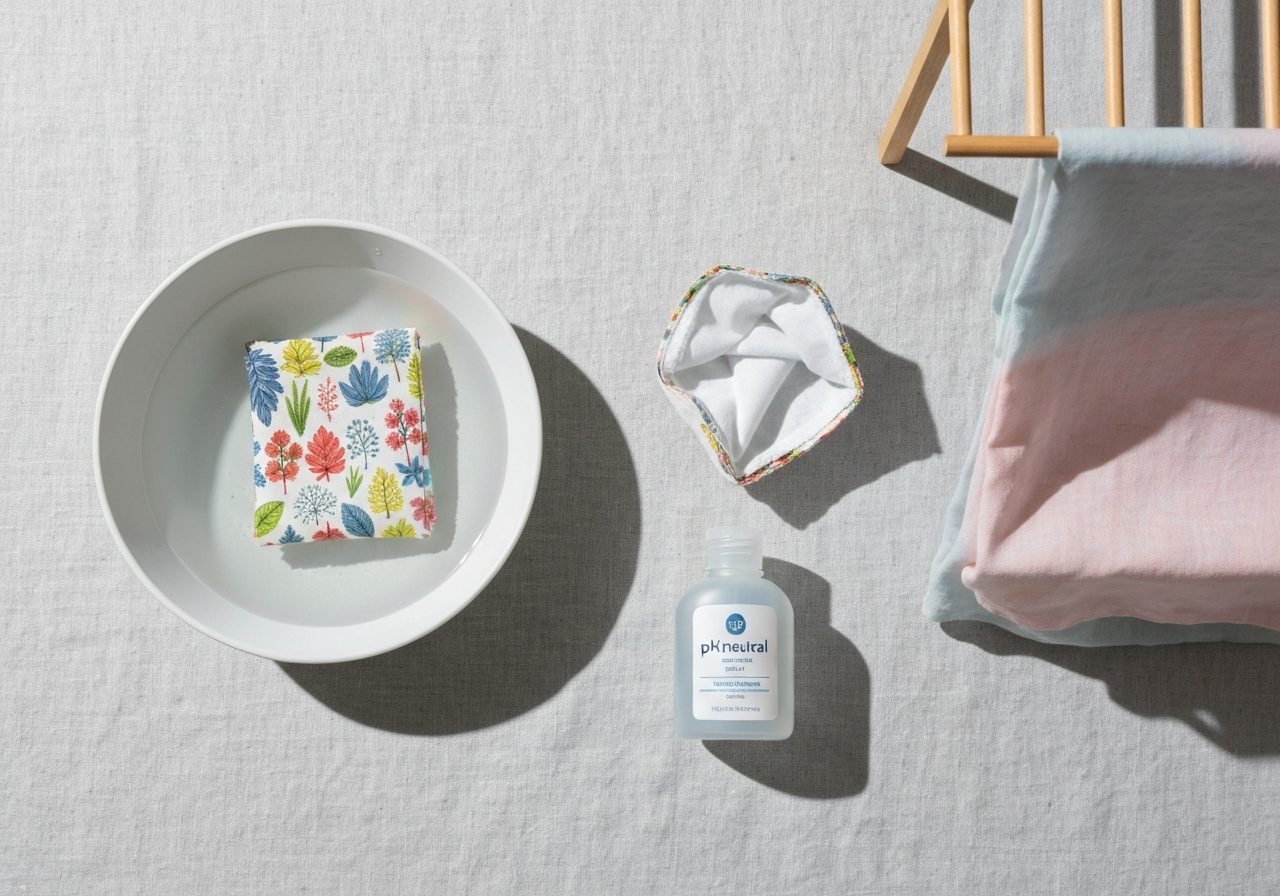
Start Here: 6 Steps That Protect Printed Fabric in Every Wash
Whether you are working with cocochi's house original Taiwan-designed printed cotton or Japanese imported double gauze, following this sequence dramatically reduces fading and shrinkage:
- Run a soak test — test a small swatch before the first full wash
- Use cold water — keep temperature at or below 30°C (86°F)
- Turn fabric inside out — print face inward to protect the colour layer
- Wash darks separately — keep deep colours away from light ones
- Use a pH-neutral detergent — avoid optical brighteners and strong alkalis
- Air-dry in shade — lay flat or hang away from direct sunlight
The sections below explain each step in detail, cover why printed fabric fades in the first place, how to estimate shrinkage, and which common habits quietly ruin your fabric.
Why Does Printed Fabric Fade? Understanding the Two Main Printing Methods
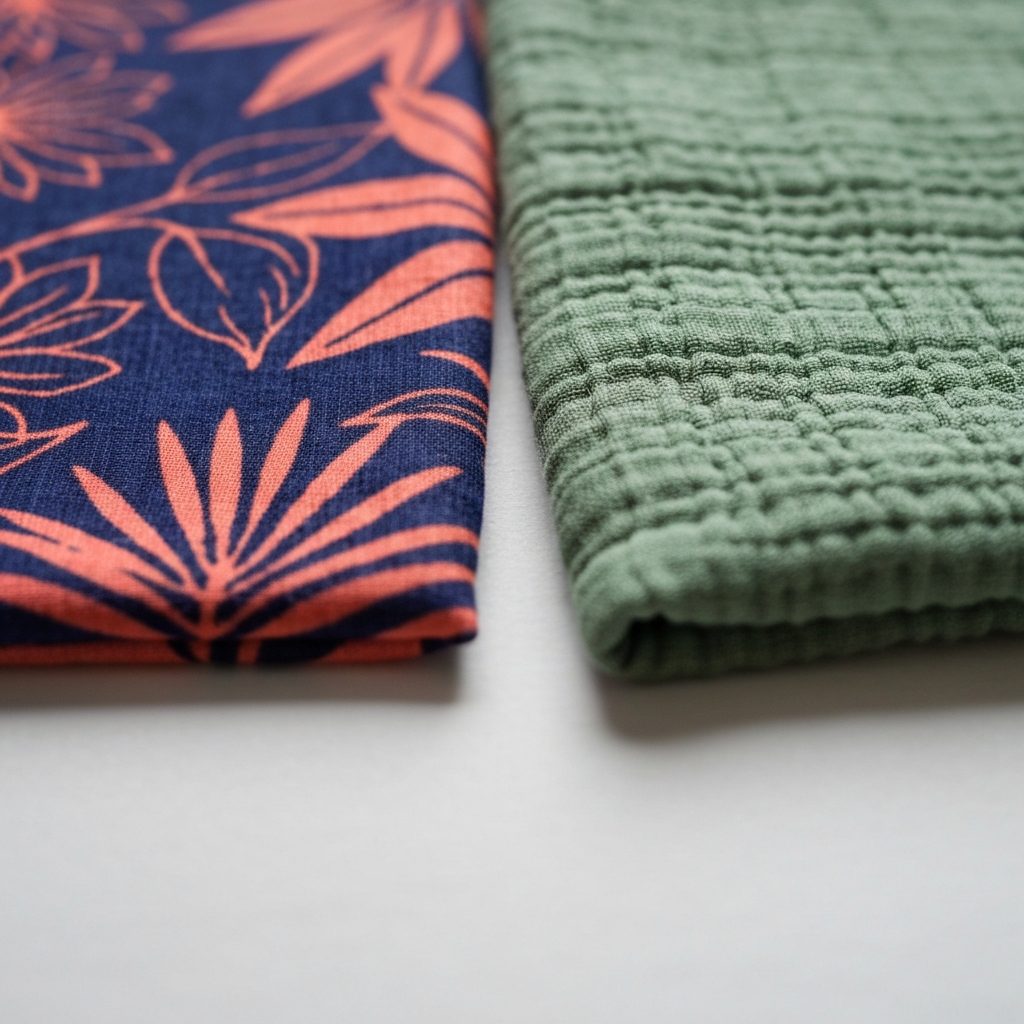
Most printed fabric on the market today is made using one of two processes. Each behaves differently in the wash, so it helps to know which one you are working with.
Digital Inkjet Printing
This is the standard method for original-design fabric today, and it is how cocochi's house produces its Taiwan-designed collections — original prints featuring local flora and fauna, storybook characters, and seasonal themes. In digital printing, ink sits on the surface of the fibre. If the fabric has not been fully colour-fixed, or if it is washed incorrectly, you may see colour bleed in the first few washes — especially with deep, saturated colour blocks.
Reactive Dye Printing
Most Japanese imported pure cotton and double gauze fabric uses reactive dyes, which form a chemical bond with the fibre for stronger colour retention. That said, reactive dyes are still vulnerable to high heat and strong-alkali detergents. If you skip pre-washing to check shrinkage, finished garment measurements can shift noticeably after the first wash.
Both methods share the same three enemies: high heat, strong alkalis, and friction. The 6-step routine below is built around eliminating all three.
Step 1: Soak Test — Always Do This Before the First Wash
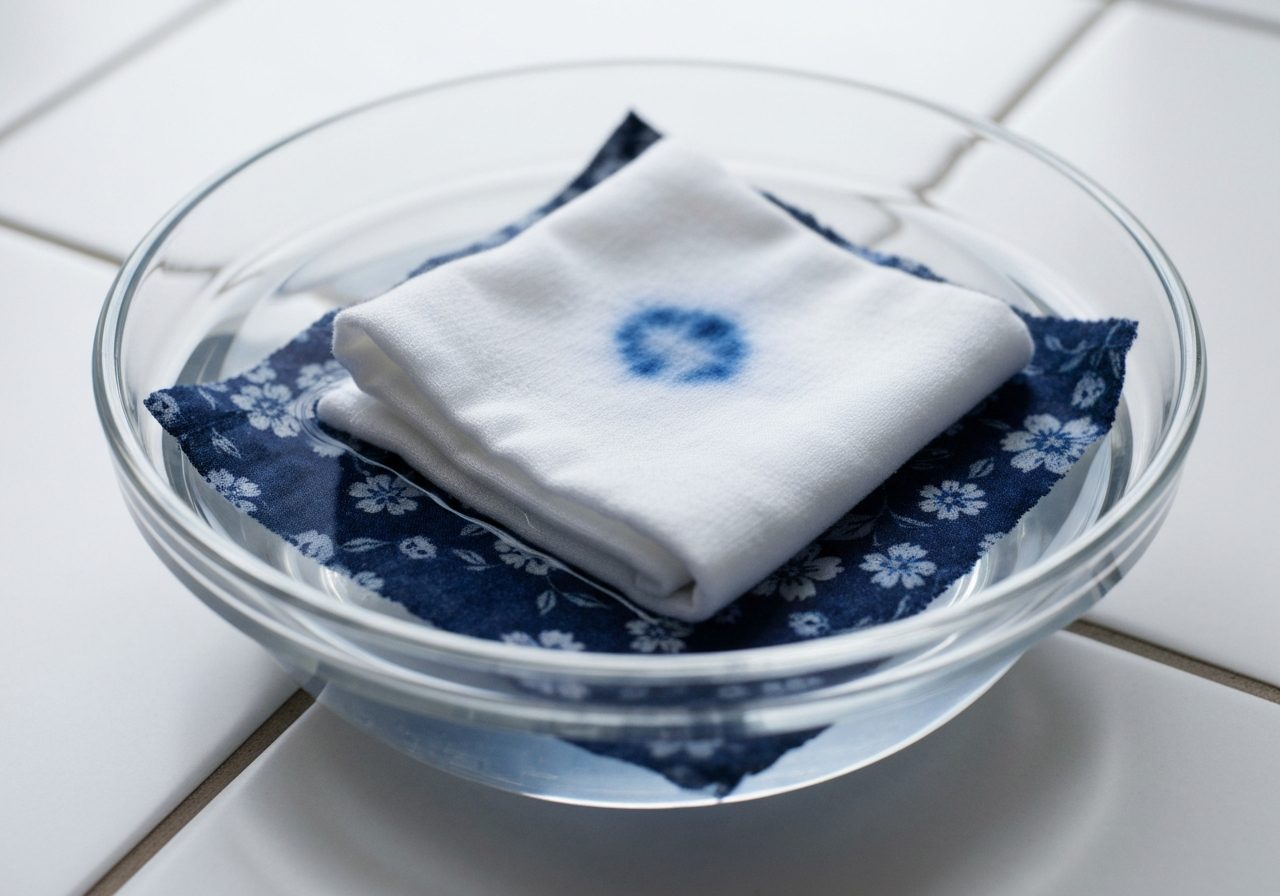
Cut a small swatch roughly 5 × 5 cm (about 2 × 2 in) and soak it in room-temperature water for 10 minutes. Then press a piece of white cotton cloth against it. If the white cloth picks up significant colour, this batch of fabric needs extra care — hand-wash it separately once before using it in a finished piece.
This step is especially important for deep-coloured original prints (such as the cocochi's house navy, deep red, and black-ground series). It tells you upfront how careful you need to be with every subsequent wash.
Step 2: Cold Water — Stay at or Below 30°C (86°F)
Heat is the number-one cause of print fading. Once water temperature exceeds 40°C (104°F), dye molecules become more active and detach from fibres more quickly. Practical tips:
- Set your washing machine to a cold or delicate cycle (30°C / 86°F or below)
- For hand-washing, use tap water as-is or add a splash of cold water to bring the temperature down
- If you iron the fabric first, let it cool completely before washing
Step 3: Turn Inside Out — Print Face Inward
Many people skip this step, but it makes a real difference. In a top-loader or front-loader drum, fabric tumbles repeatedly against itself and the drum wall. Turning the piece inside out puts a layer of plain fabric between the print and that friction. Benefits:
- The printed surface is buffered from direct drum contact
- Micro-abrasion fading slows down noticeably over time
- Works for both machine washing and hand washing
Step 4: Wash Darks Separately — Especially for the First Three Washes
Deep colours — black, navy, burgundy — can release excess dye in early washes and stain lighter fabrics. Keep darks and lights apart for at least the first three washes. Once you confirm that the fabric is no longer releasing heavy colour, it is safe to wash together.
Step 5: pH-Neutral Detergent — Choosing Right Matters More Than Spending More
Three things to look for on the label:
- pH around 7 (neutral) — avoid strongly alkaline formulas
- No optical brighteners — brighteners leave a hazy residue on dark fabric
- Baby laundry detergent, delicate hand-wash liquid, or any product labelled "gentle" or "neutral" all work well
Do not exceed the recommended amount. Detergent residue left in fabric actually accelerates colour oxidation. Rinse thoroughly until the water runs completely clear and there is no soapy feel.
Step 6: Air-Dry in Shade — No Direct Sunlight
UV light is the slow, long-term enemy of any printed fabric. Even high-colour-fast Japanese imported fabric will gradually lose vibrancy if left in direct sun repeatedly. Recommended practice:
- Hang or lay flat with the print side facing inward
- Choose a well-ventilated, shaded spot
- When the piece is about half dry, you can flip it print-side out to finish drying and reduce moisture on the inner surface
Four Habits That Ruin Printed Fabric Fast
Most fabric damage is not caused by carelessness — it comes from habits that seem harmless. Watch out for these:
- Fabric softener: The cationic surfactants in fabric softener react with dyes over time, dulling the colour and causing the fabric surface to pill
- Hot-water soaking: Hot water does not clean printed cotton better — it accelerates both shrinkage and colour loss at the same time
- Tumble dryer: High heat plus drum friction equals two of the three main damage factors hitting simultaneously. Even one cycle can cause wrinkling and colour lift on printed fabric
- Direct sunlight drying: It dries fabric quickly, but each session chips away at the print's colour lifespan
How to Estimate Shrinkage Before You Cut
Pure cotton fabric — including Japanese imported cotton and double gauze — typically shrinks 3%–8% in the first wash. If you skip pre-washing, finished garment dimensions will shift after the customer's first laundry cycle.
Shrinkage formula:
- Post-wash size = original size × (1 − shrinkage rate)
- Example: 100 cm × (1 − 5%) = 95 cm (roughly 39.4 in × 0.95 = 37.4 in)
Recommended pre-wash process:
- Cut a 30 × 30 cm (approx. 12 × 12 in) swatch and measure it precisely
- Wash it using the 6-step routine above, then air-dry completely
- Measure again, calculate the shrinkage percentage, and add that amount back into your pattern pieces before cutting
Product pages for cocochi's house Japanese imported fabric typically include a reference shrinkage rate. If you have questions about a specific batch, get in touch via LINE @kaiyofabric — a team member will advise you on the recommended pre-treatment for that particular fabric run.
Final Thoughts: The Right Wash Routine Keeps Your Prints Looking New
A well-made piece of printed fabric deserves careful handling from the moment you buy it. The 6-step routine is not complicated, but each step targets a real risk — test, cold water, inside out, separate darks, neutral detergent, shade-dry. Skip any one of them and your finished piece ages twice as fast.
If you are planning to use cocochi's house original print fabric or Japanese imported fabric for garments, children's wear, or handmade goods, we would love to help you choose the right material. Our pattern-making team — with over 40 years of combined experience — can advise on fabric behaviour, shrinkage, and construction. Get in touch via LINE @kaiyofabric and we will point you to the fabric that fits your project best.
№ / FAQ
FAQ
- Q. Can I machine-wash digital-print fabric, or does it have to be hand-washed?
- Machine washing is fine as long as you use a cold or delicate cycle (30°C / 86°F or below), turn the item inside out, and choose a pH-neutral detergent with no optical brighteners. Hand washing gives you more control, but a gentle machine cycle produces comparable results if you follow those three conditions.
- Q. How much shrinkage should I expect from Japanese imported double gauze or pure cotton fabric?
- Pure cotton and double gauze typically shrink 3%–8% in the first wash. To protect your pattern, cut a 30 × 30 cm (12 × 12 in) test swatch, wash and dry it using your normal care routine, then measure the difference. Add that shrinkage percentage back into your pattern pieces before cutting the full yardage.
- Q. Is cocochi's house fabric sold by the yard, and what is the minimum order for custom printing?
- Custom digital printing through cocochi's house (operated by KAIYO FABRIC CO., LTD.) starts at a 20-yard minimum. Ready-to-ship original print fabric is available in smaller cuts. Contact the team via LINE @kaiyofabric or use the Request a Sample option on the website to discuss your specific yardage needs.
- Q. Why does my dark printed fabric look faded or hazy after washing even though I used a mild detergent?
- The most common culprits are optical brighteners in the detergent and fabric softener. Optical brighteners leave a whitish film on dark fabric that reads as haziness, while fabric softener's cationic surfactants react with dyes over repeated washes. Switch to a detergent labelled neutral or brightener-free, and eliminate fabric softener entirely for dark or saturated prints.
- Q. Does cocochi's house work with indie children's wear brands or overseas designers for OEM or small-batch orders?
- Yes. cocochi's house (KAIYO FABRIC CO., LTD.) has an in-house pattern-making team with over 40 years of experience and has produced fabric and garments for established childrenswear labels including a leading Taiwanese childrenswear label and international licensed character lines. The studio welcomes inquiries from international indie designers and small brands. Get in touch to discuss minimums, lead times, and sampling.
№ / READ NEXT
Read next
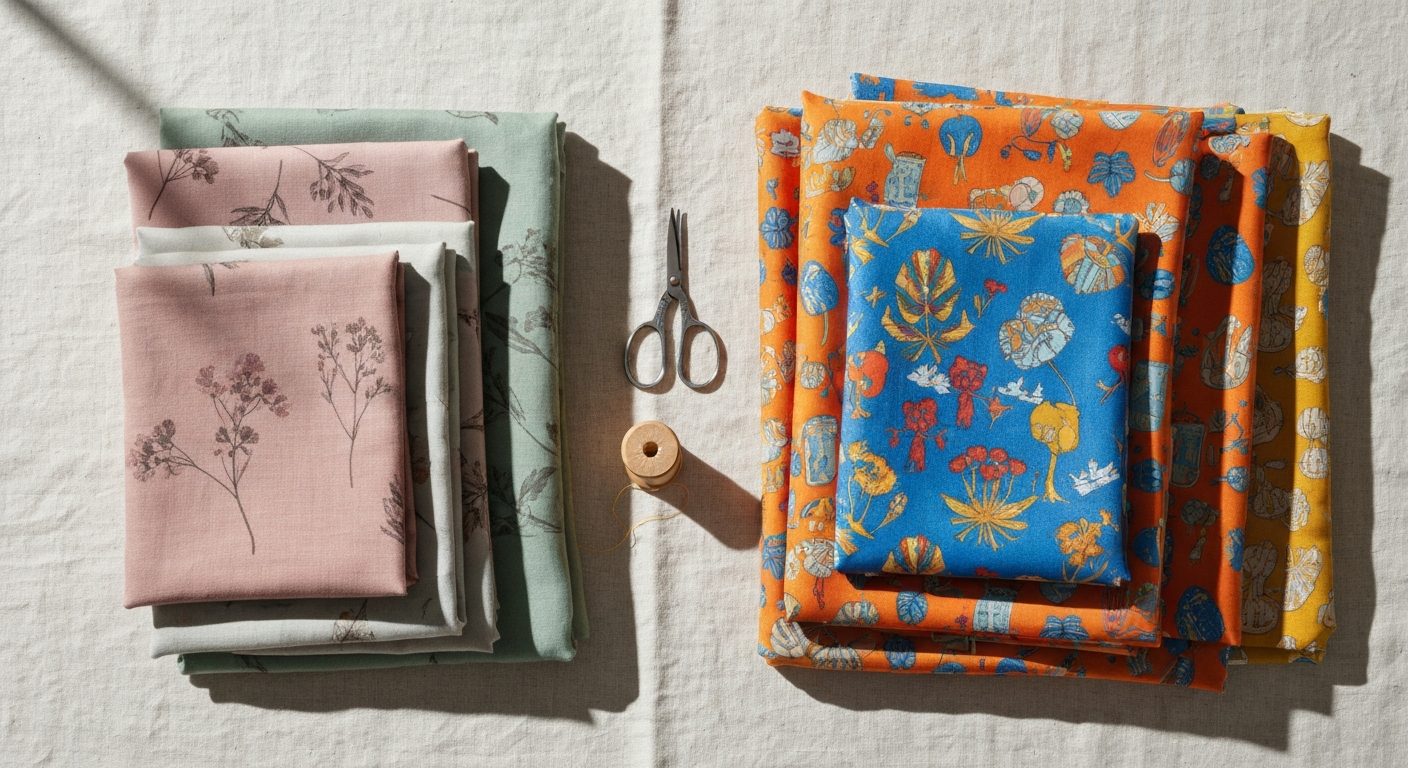
Morandi vs. Bold Prints: How to Choose the Right Fabric Colour Style for Your Collection
May 18, 2026
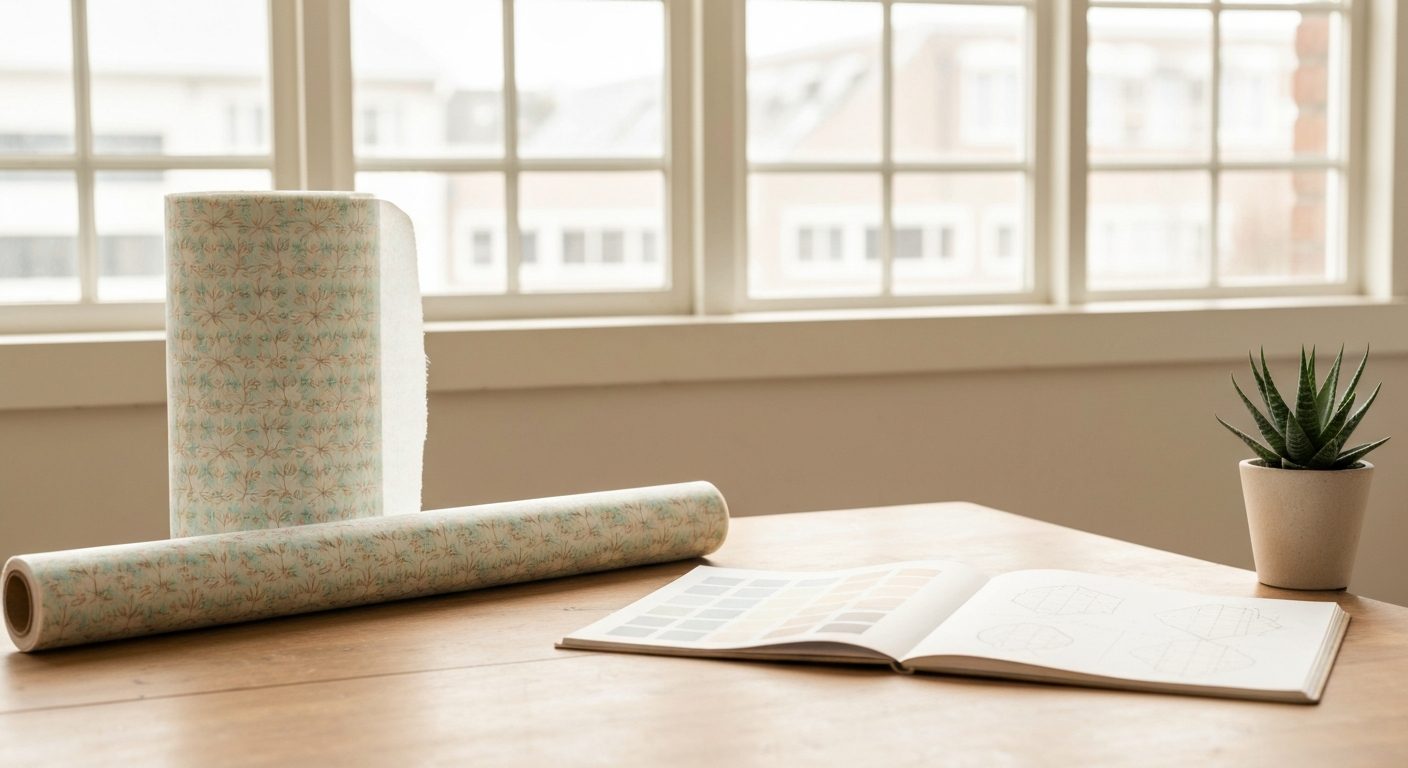
Custom Printed Fabric: The Complete 4-Stage Process — From Artwork to Finished Bolt
May 18, 2026
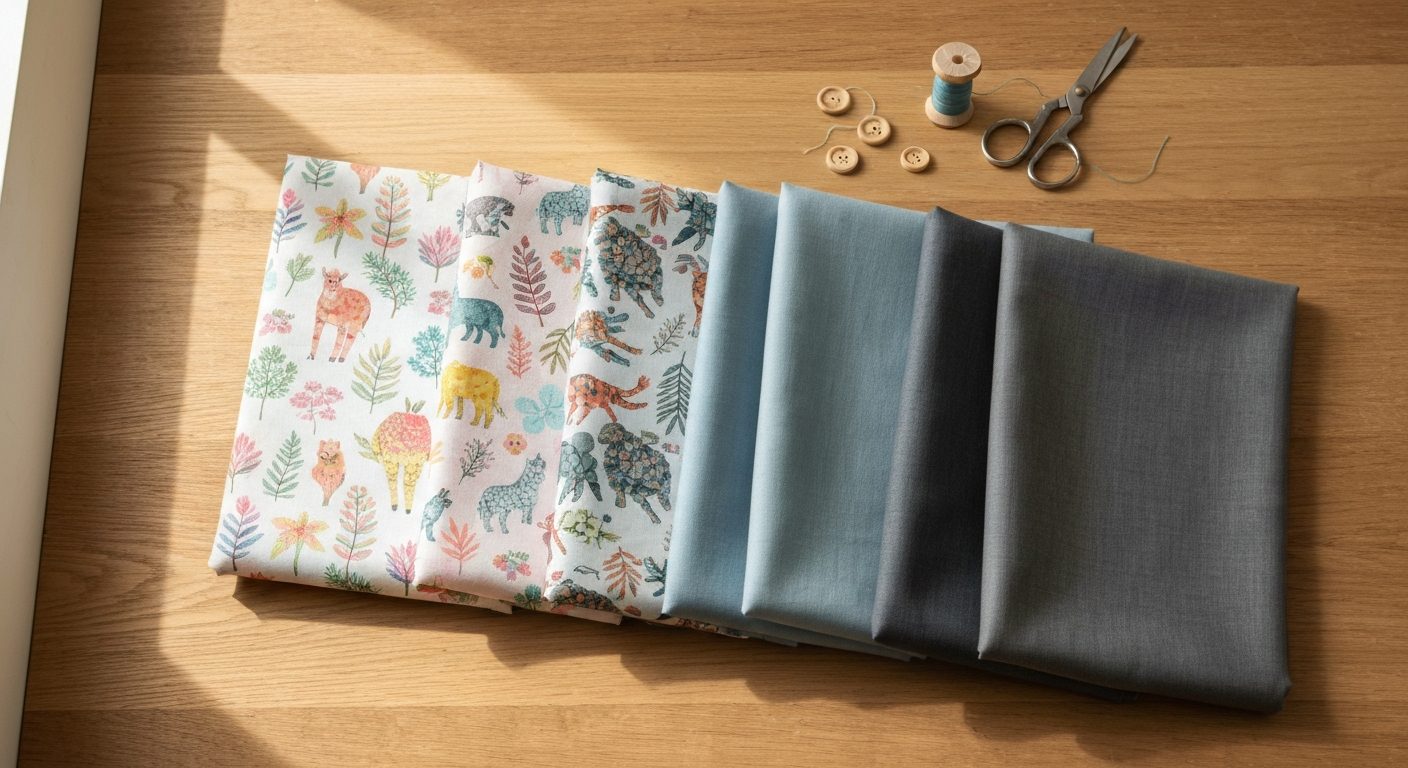
Printed Fabric vs. Solid Fabric: Which Should You Choose? 4 Decision Angles for Designers and Makers
May 18, 2026