
№ / JOURNAL
2025 Autumn Japanese Printed Fabric Edit: A Sourcing Guide for Designers Who Won't Settle
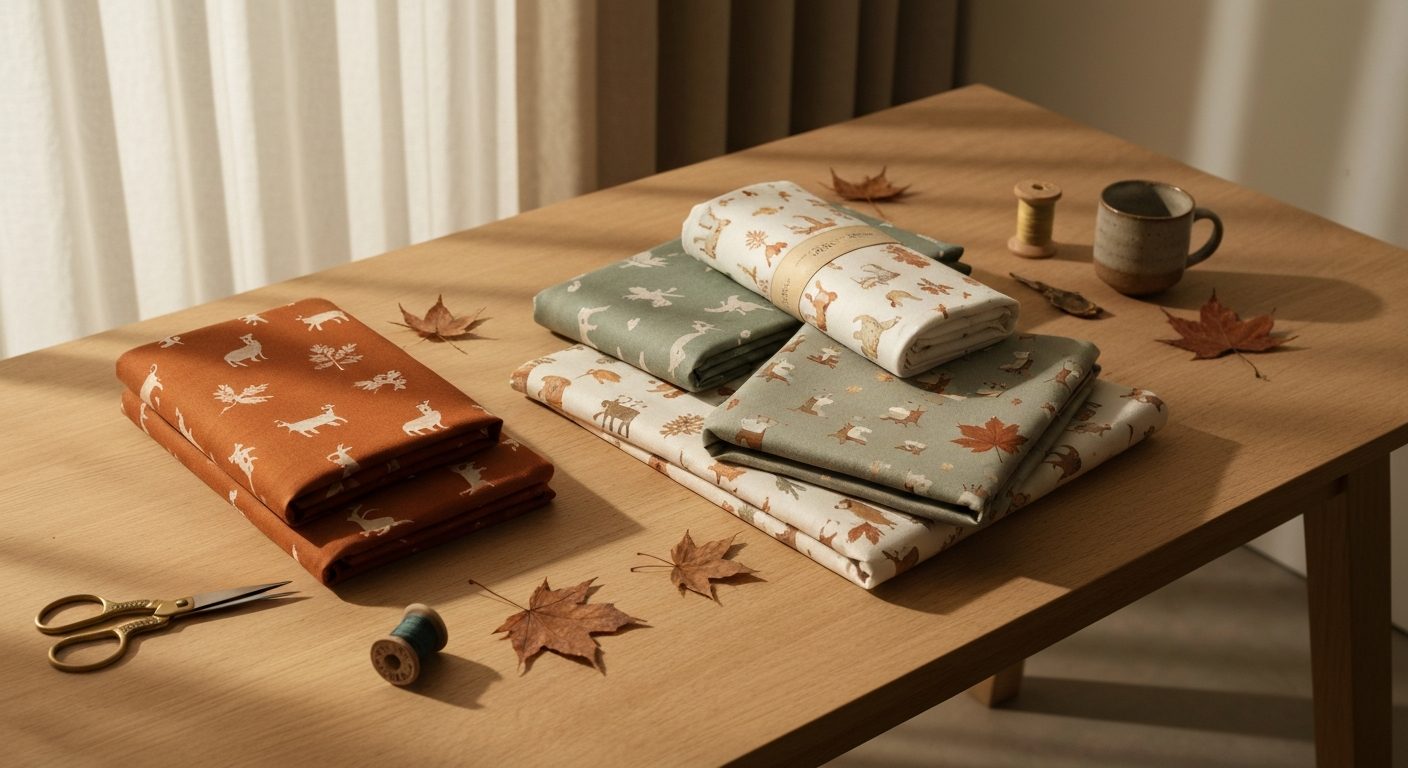
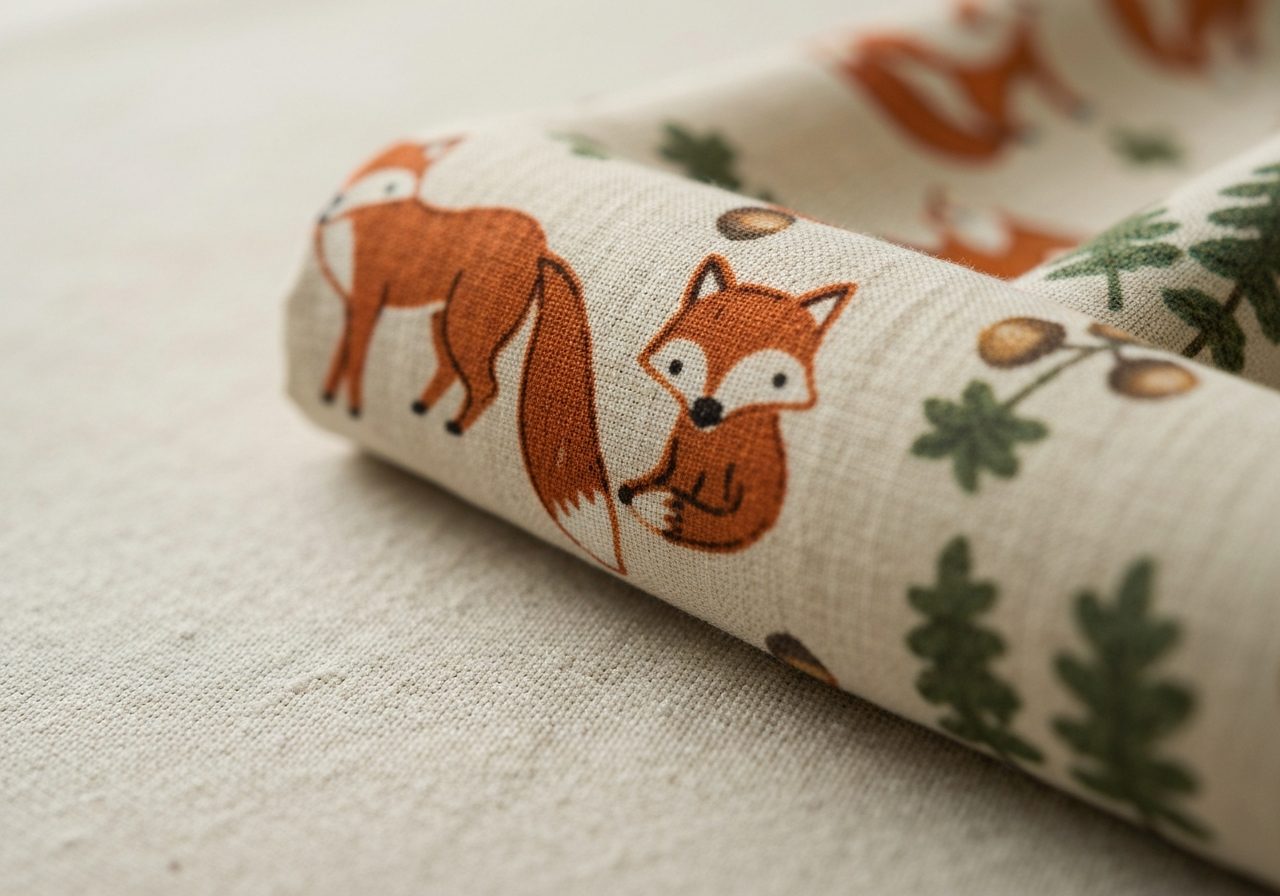
Why Japanese Printed Fabric Is Worth the Extra Budget
Japanese fabric has been the benchmark in indie garment design and craft communities for decades — and not just because of the 'Made in Japan' label. The real reason designers keep coming back is the combination of print precision, colourfastness, and hand feel working together at the same time. A piece of Japanese printed cotton resists shrinking after washing, holds crisp print edges without bleeding, and stays colour-rich through ten or more laundry cycles. Those differences only become obvious once a finished product is in a customer's hands — and they're exactly what turns a one-time buyer into a loyal repeat client.
cocochi's house (operated by KAIYO FABRIC CO., LTD.) sources original-import Japanese double gauze, plain-weave cotton, and performance fabric directly from Japanese mills. Every style is listed on cocochishouse.com, so designers outside Taiwan can browse and order without chasing overseas quotes or waiting on long international lead times.
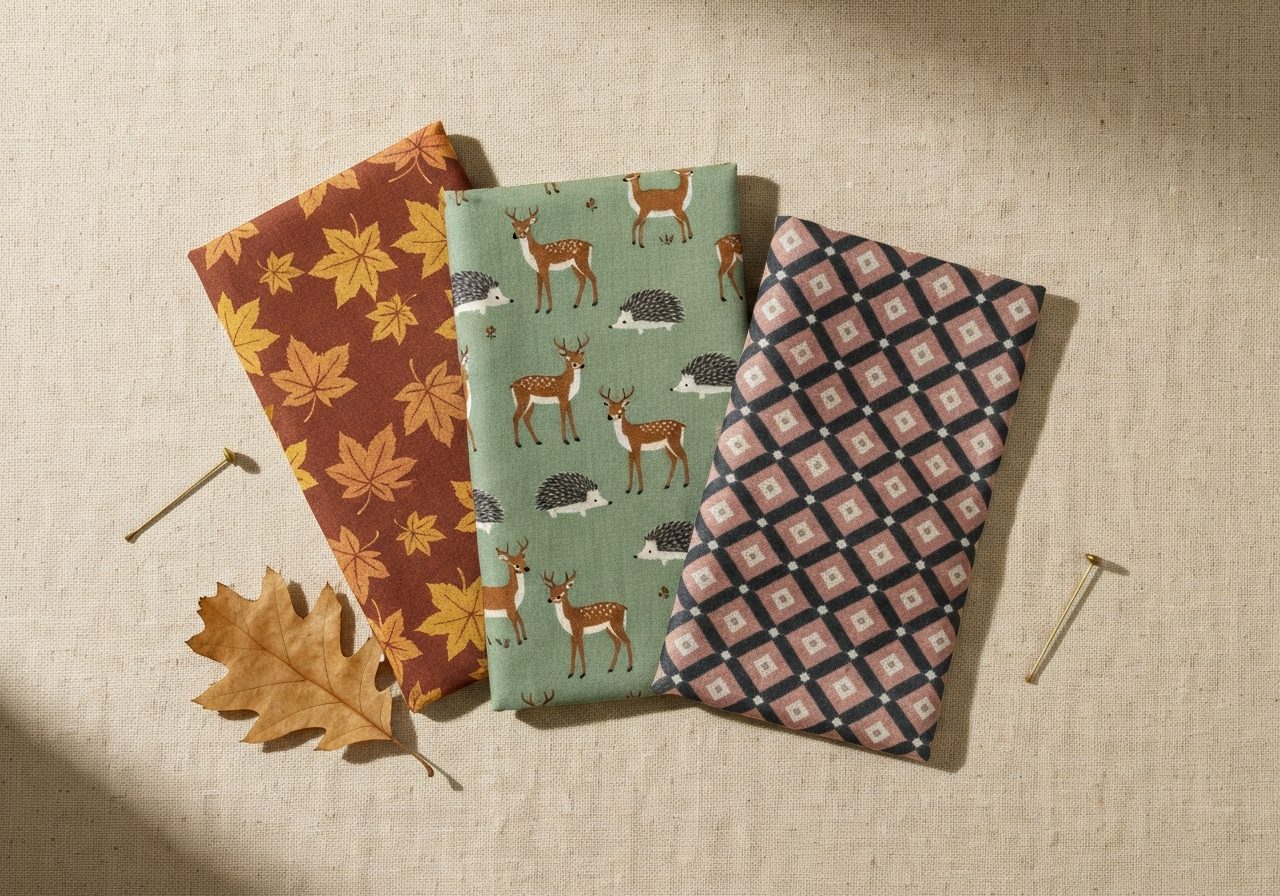
Three Things to Think About When Choosing Autumn Fabric
Autumn fabric decisions follow a different logic than spring and summer. These three factors will help you narrow your selection quickly:
- Warmth layering: Japanese double gauze is the top choice for autumn children's wear. Two loosely woven cotton layers cross-stitched together give a gentle warmth without sacrificing breathability, and prints read with more dimension than on standard plain weave.
- Print theme and seasonal fit: Maple leaves, harvest motifs, woodland animals, and Nordic geometric patterns consistently convert better during the autumn retail window (September–November). If you are planning a market stall or pre-order drop, locking in your prints now gives you the best lead time.
- Versatility across end uses: A great Japanese print should work as outer-shell fabric, patchwork accent, or bag lining — all from the same cut. That range of use matters most for small-batch designer brands and indie craft studios trying to maximise every yard purchased.
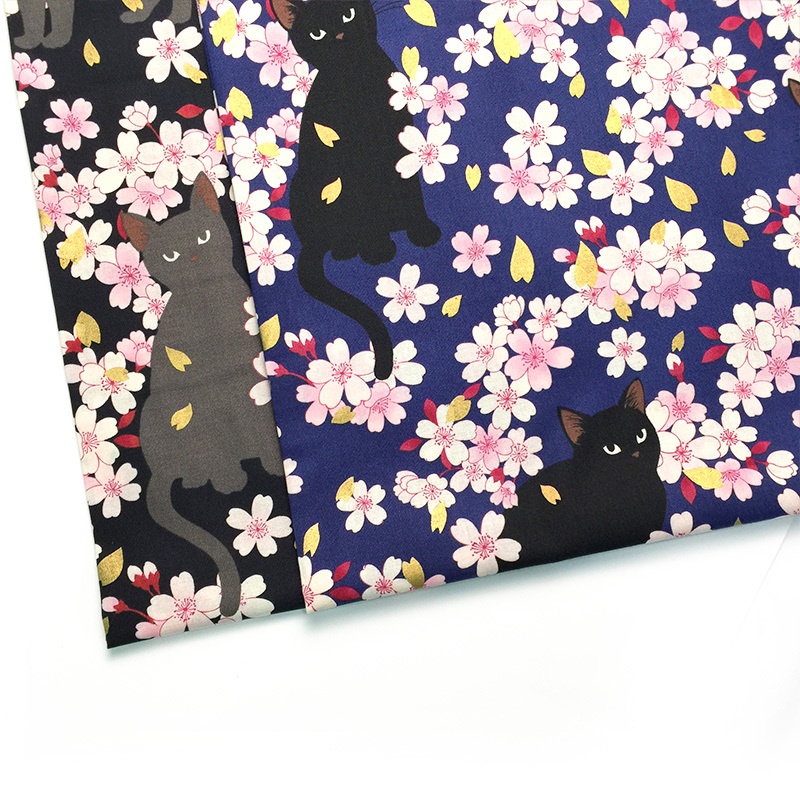
Japanese Imported Fabric: Main Material Categories at cocochi's house
Japanese Double Gauze (Printed)
Double gauze has become the most sought-after Japanese fabric among Taiwan's handcraft community in recent years, and interest from international indie designers is growing fast. Two layers of lightweight cotton are woven together — printed face, plain or lightly printed reverse — giving a natural, airy drape once sewn. Edges have a characteristic soft fringe feel when cut but resist unravelling well. Ideal for: infant swaddle wraps, children's tops, adult relaxed-fit overshirts, drool bibs, and handkerchiefs. Autumn-appropriate print themes include small animals, Nordic forest scenes, and watercolour florals.
Japanese Plain-Weave Printed Cotton
Tightly woven plain-weave cotton is the right choice whenever you need precise pattern pieces — think children's pinafore dresses, patch pockets, and structured tote bags. Print colours read at their fullest saturation on a plain-weave base, so geometric repeats, licensed character artwork, and botanical illustrations all show fine detail clearly. Compared with double gauze, plain weave is also more forgiving for newer sewists: seam allowances lie flat, and pressed edges stay put.
Japanese Performance Fabric
The performance fabric range suits advanced designers or brands with functional requirements, including water-repellent finishes and moisture-wicking treatments. If your brand sits in outdoor children's wear, activewear, or parent-and-child functional apparel, contact us to ask about current in-stock performance fabric styles and specifications.
For B2B Buyers: Wholesale Minimums and the Sampling Process
If you are a brand designer, OEM children's wear manufacturer, or craft-school instructor looking for a reliable fabric source, here is what cocochi's house offers on the wholesale side:
- Japanese import fabric wholesale: In-stock fabrics carry a minimum order quantity that varies by style. Reach out via LINE @kaiyofabric to ask about current stock levels and wholesale pricing for the season.
- Custom digital printing: If none of the existing prints match your brand identity, cocochi's house offers custom small-batch fabric printing starting at just 20 yards. A physical sample is confirmed before production begins — the right process for indie textile designers who want an exclusive print signature.
- Pattern-making and OEM manufacturing: Behind the brand is a pattern-making team with 40 years of experience, having worked with a leading Taiwanese childrenswear label and international licensed character brands. OEM children's wear Taiwan enquiries are welcome — fabric sourcing and finished garment production can be handled end-to-end in one conversation.
Want wholesale terms or a custom print quote? Message LINE @kaiyofabric directly — typical response time is one business day.
For Individual Buyers: How to Pick the Right Japanese Fabric for Your Project
If you are an individual maker or buying in small quantities, these three steps will shorten your decision time:
- Define your end use: Garment sewing (consider shrinkage rate and cutting difficulty), home goods (prioritise wash-fast colourfastness), or craft accessories (visual impact of the print comes first)?
- Estimate your yardage before you order: An adult top needs roughly 1.5–2 yards; a child's dress, 1–1.5 yards; a single drawstring bag, about 0.5 yard. Calculate first to avoid wasting offcuts.
- Read the print layout: Tossed prints (non-directional repeats) are easier to cut efficiently and suit newer sewists. Placement prints require pattern matching and work best for makers with solid cutting experience.
Original print fabric ships free within Taiwan on orders of 100 yards or more; shipping for custom printing and Japanese imports is quoted per order.
The Right Fabric Makes Your Work Stand Up to Close Inspection
The value of Japanese printed fabric is not the label — it is the fact that your finished product can survive a customer looking at it up close. The print stays sharp right to the seamline. The colour does not shift after washing. The hand feel matches what you promised. Those small details, accumulated across every piece you sell, are what build a brand reputation worth protecting.
cocochi's house updates its Japanese import range continuously. If you want to lock in your autumn prints before your collection launches — or you are weighing whether custom digital printing is the right move for your brand — now is the best time to ask. Get in touch via LINE @kaiyofabric, tell us your end use and budget, and we will help you find the best option.
№ / FAQ
FAQ
- Q. What is the minimum order quantity for custom printed fabric at cocochi's house?
- Custom digital printing starts at 20 yards (approximately 18 metres). A physical sample is produced and approved before full production begins, so you can verify colour and hand feel before committing to the full run.
- Q. Do you ship Japanese fabric internationally, or only within Taiwan?
- The cocochishouse.com storefront currently handles Taiwan domestic orders directly. International designers and brands are encouraged to get in touch via LINE @kaiyofabric or the site contact form to discuss wholesale export arrangements, custom print orders, or OEM manufacturing enquiries.
- Q. What makes Japanese double gauze different from regular quilting cotton?
- Double gauze is made from two loosely woven layers of cotton stitched together, giving it a soft, breathable drape that standard plain-weave quilting cotton does not have. It is lighter and more comfortable against skin, which is why it is a favourite for baby items and children's clothing — while still holding printed designs with good clarity.
- Q. Can cocochi's house handle end-to-end OEM production, from fabric to finished garment?
- Yes. The team behind cocochi's house includes a pattern-making department with 40 years of experience producing children's wear for brands such as a leading Taiwanese childrenswear label (a leading Taiwanese children's wear label) and international licensed character brands. Enquiries for OEM children's wear manufacturing — covering fabric selection through to finished garments — can be directed to LINE @kaiyofabric.
- Q. How do I know which print layout — tossed or placement — is right for my project?
- Tossed prints repeat in all directions with no fixed orientation, making them easier to cut efficiently with minimal fabric waste — a good choice for beginners or complex multi-piece patterns. Placement prints have a defined direction or feature motif that needs to be matched at seams, which gives a more intentional, designed look but requires more careful layout planning and slightly more yardage.
№ / READ NEXT
Read next
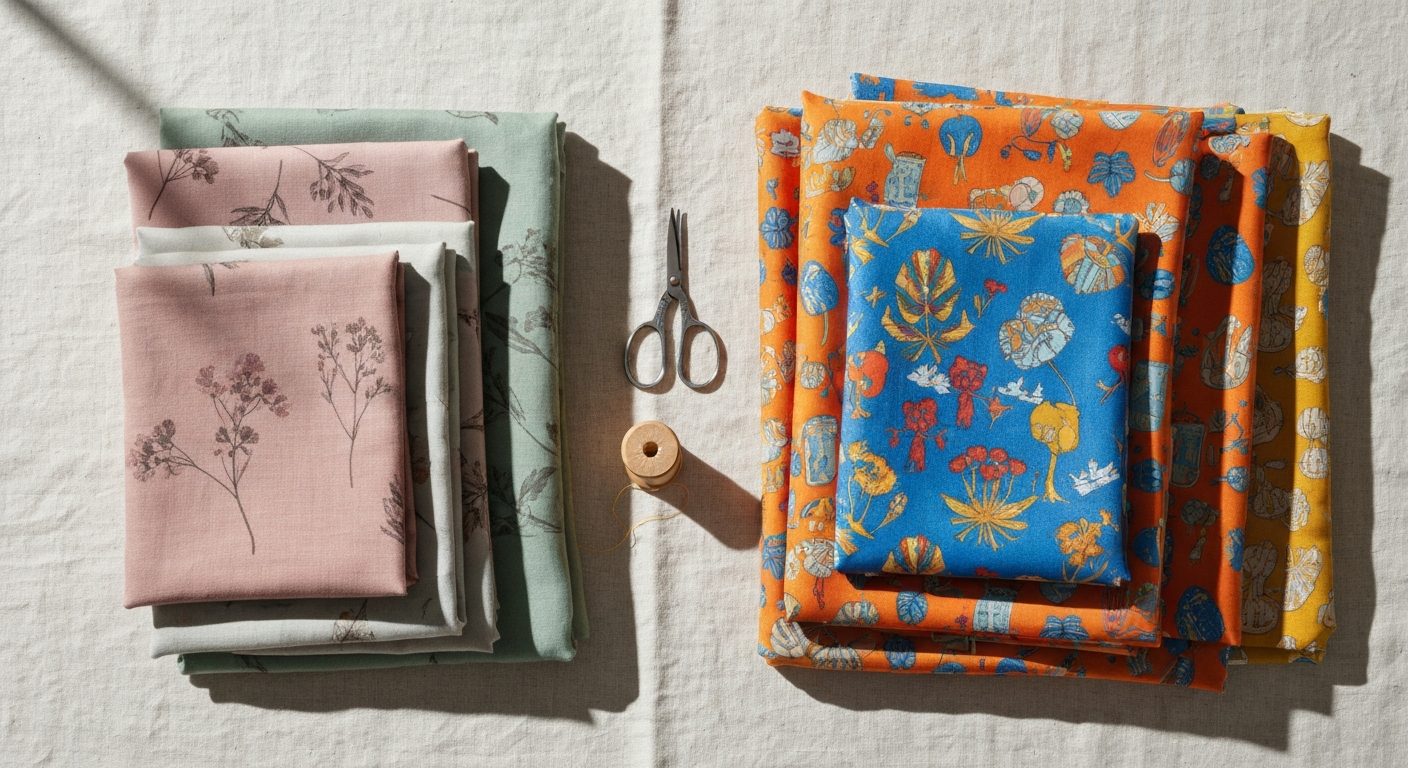
Morandi vs. Bold Prints: How to Choose the Right Fabric Colour Style for Your Collection
May 18, 2026
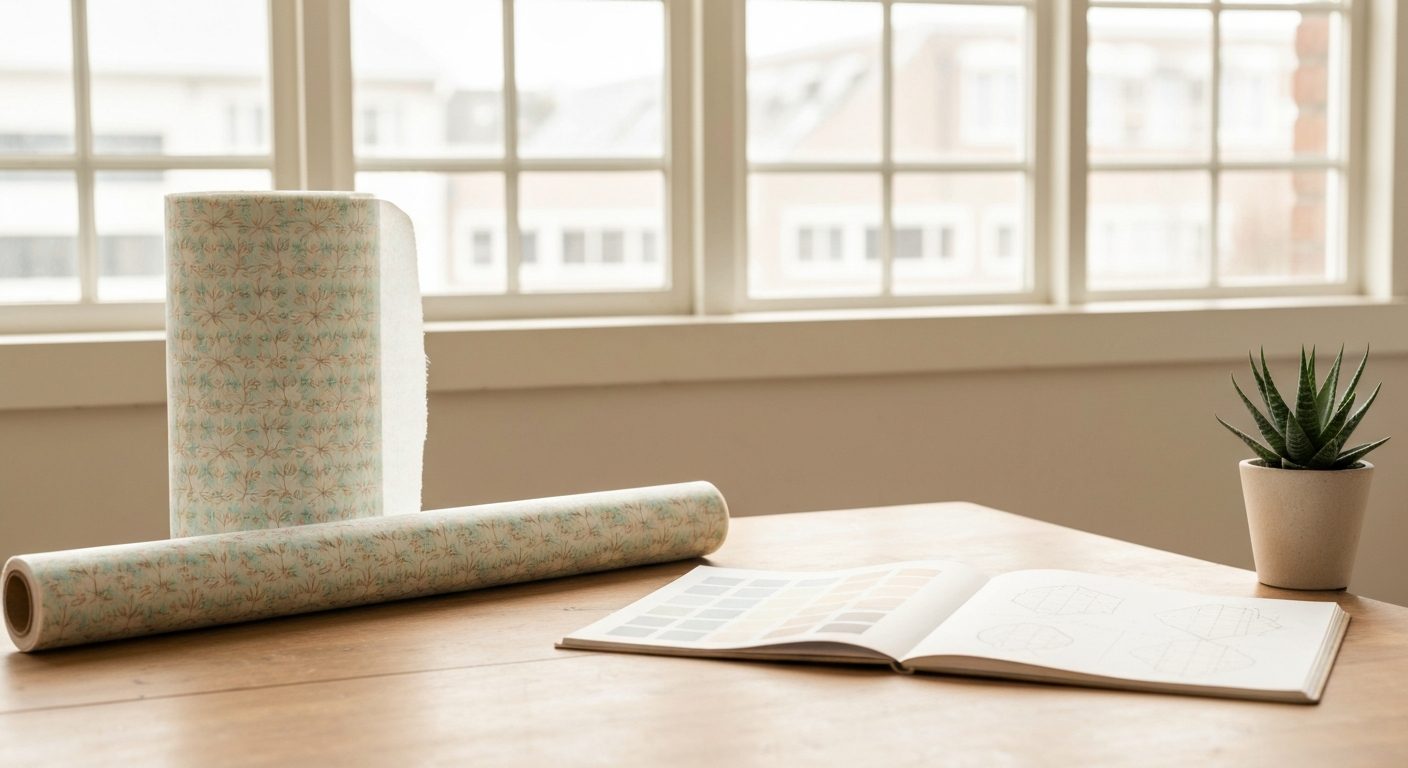
Custom Printed Fabric: The Complete 4-Stage Process — From Artwork to Finished Bolt
May 18, 2026
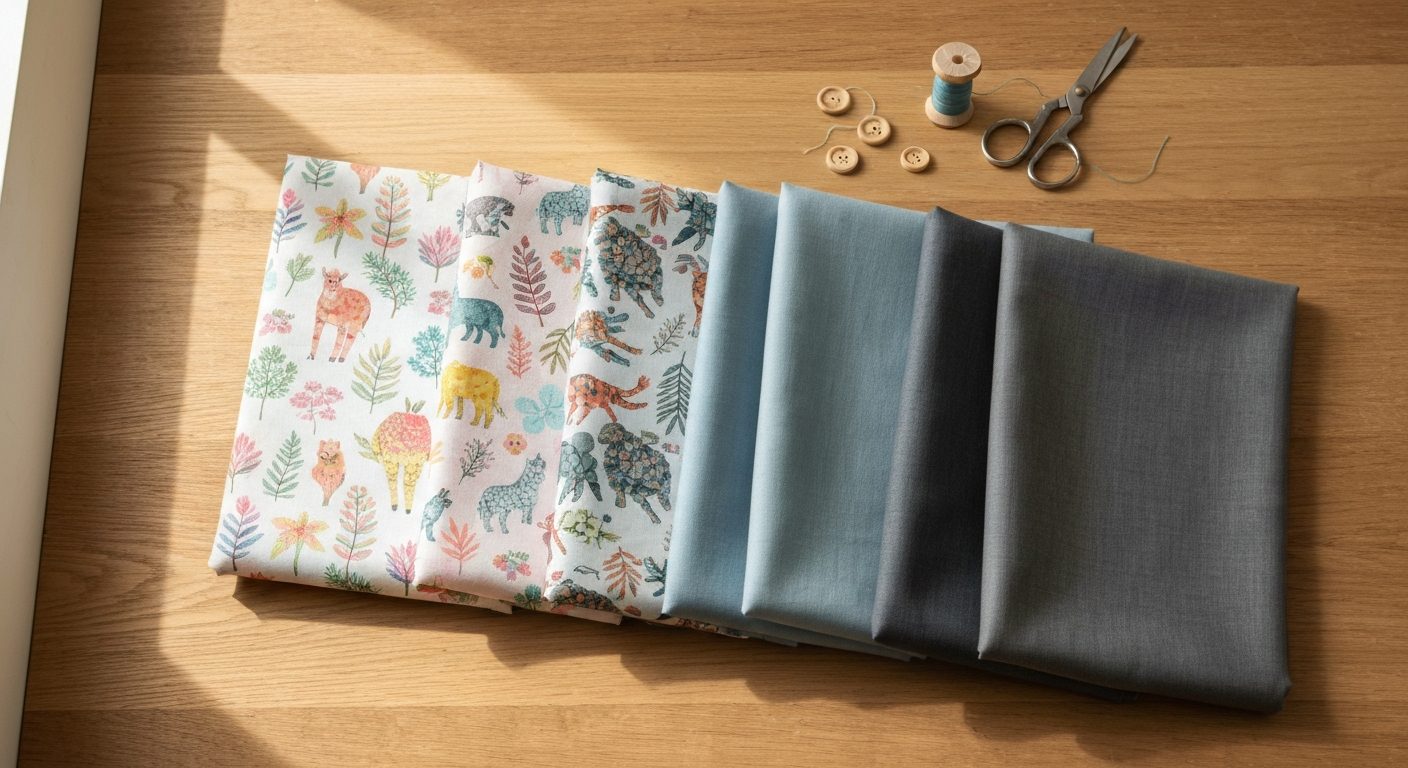
Printed Fabric vs. Solid Fabric: Which Should You Choose? 4 Decision Angles for Designers and Makers
May 18, 2026