
№ / JOURNAL
Japanese Printed Fabric Guide 2025: A Designer's Take on Weaves, Prints, and How to Choose Right
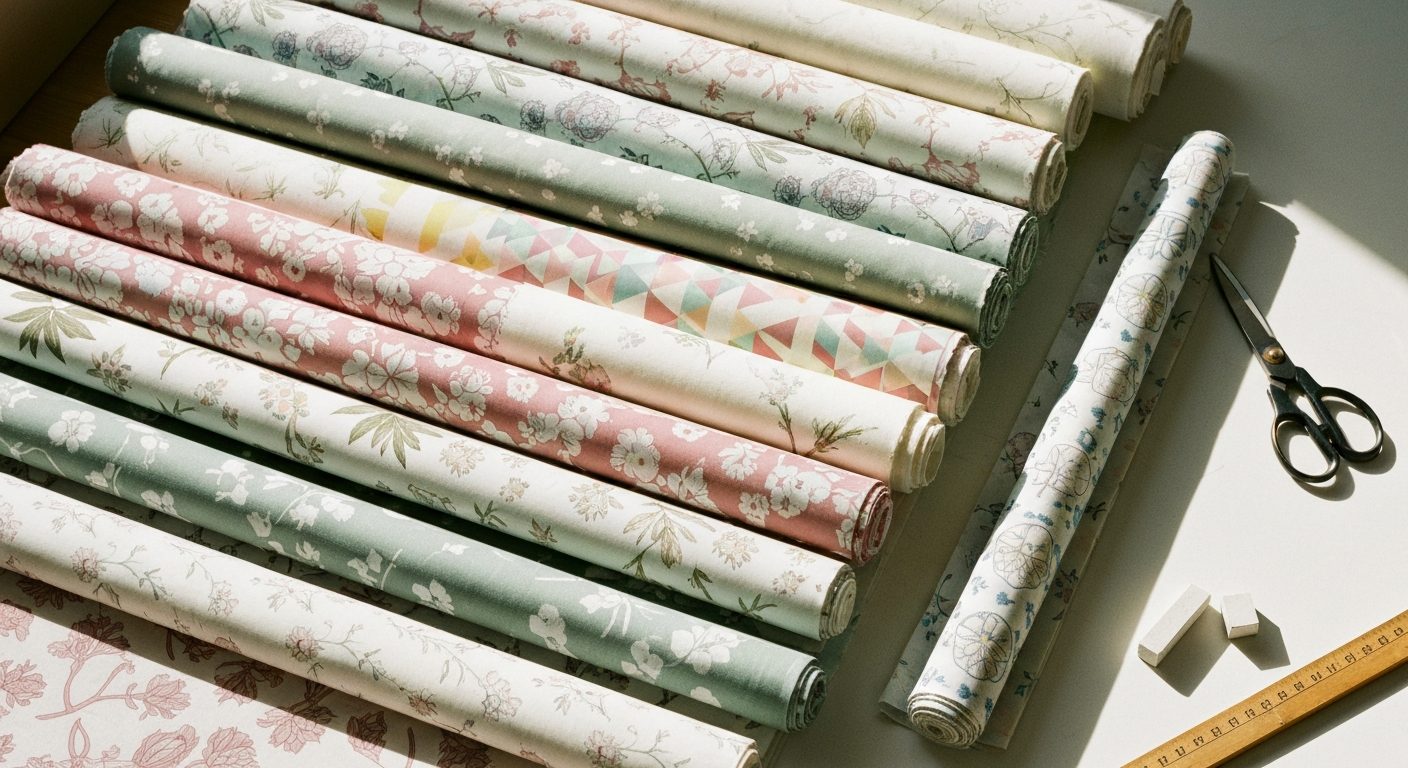
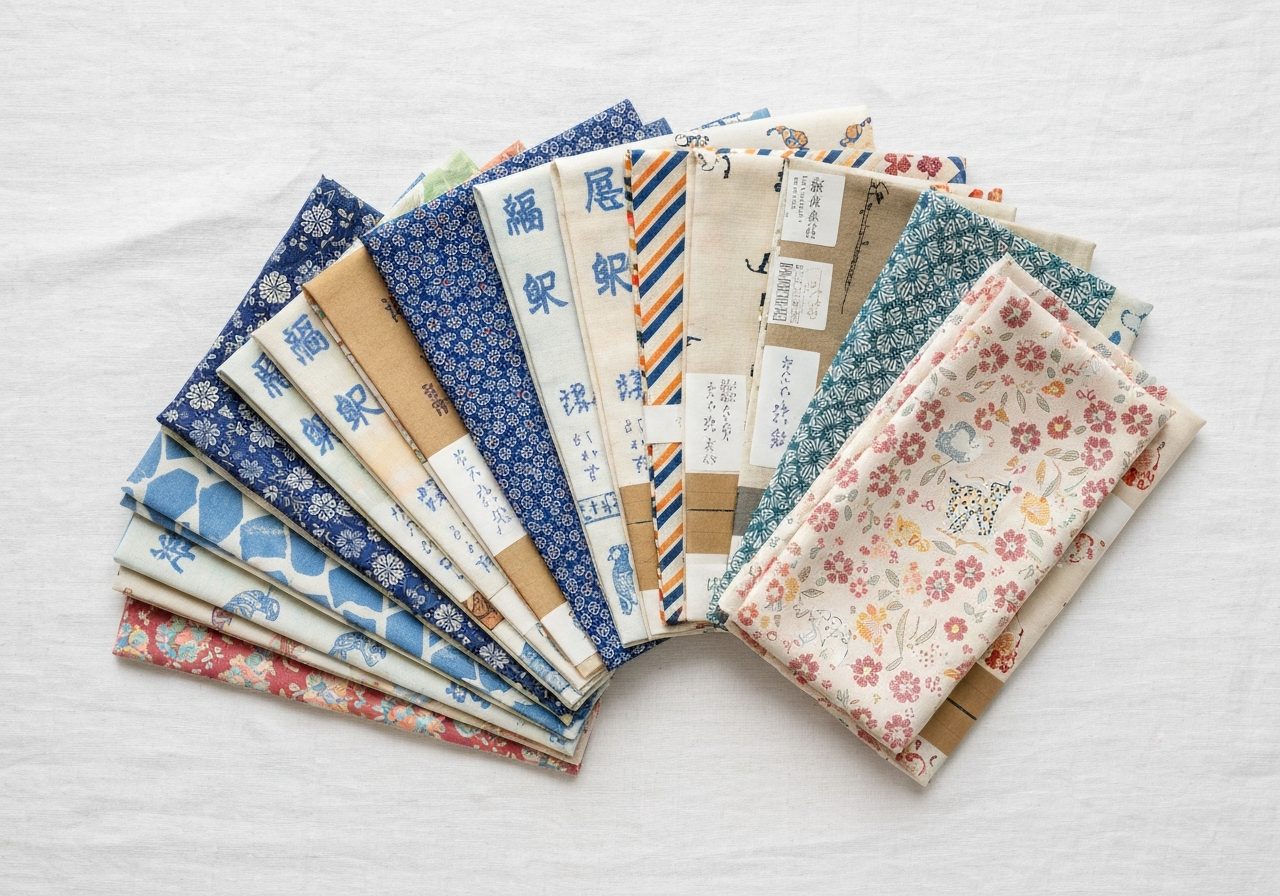
Authentic Japanese Printed Fabric — No Flight Required
Here is the short version: if you need printed fabric with consistent quality, high colour fastness, and layered print design, Japanese imported fabric is one of the most worthwhile investments on the market right now. At cocochi's house (KAIYO FABRIC CO., LTD.), we source directly from Japan — original stock, no middlemen — covering double gauze, plain-weave cotton, and functional fabric. These textiles suit children's apparel, womenswear, home textiles, and handmade bags. Whether you are an indie textile designer, a garment-making student, a fabric enthusiast, or a small-batch brand looking for a point of difference, this guide gives you a practical framework for choosing the right cloth every time.
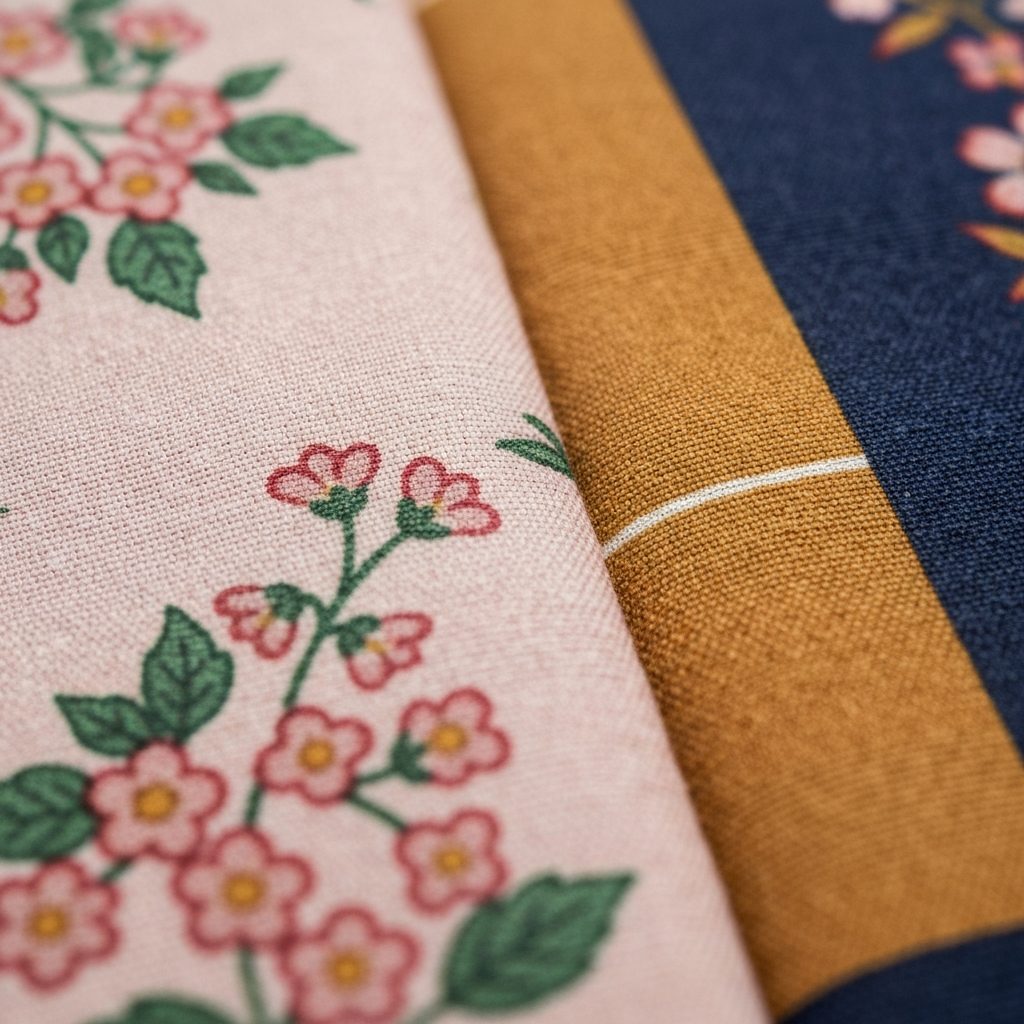
Why Japanese Fabric Is Worth the Premium
The market is full of options, but Japanese fabric commands its price for three concrete reasons:
- Superior print precision. Japanese mills have decades of expertise in both digital and rotary printing. Fine details stay crisp, colour layers stay rich, and the print reads consistently under both daylight and artificial light.
- Strict quality standards. From thread count and shrinkage rates to colour fastness, Japanese mills maintain rigorous in-house quality certification. After washing, you are unlikely to face dramatic shrinkage or unexpected colour shifts — a real advantage when clients judge finished work closely.
- Distinctive print aesthetics. Japanese fabric design blends traditional motifs with contemporary sensibility. From delicate scattered florals and geometric colour-blocking to naturalistic botanicals and licensed character prints, there is a clear visual language that makes finished pieces look considered rather than generic.
Together, these three points mean that for the same hours of making, Japanese fabric consistently helps designers and small-batch brands produce work that customers will pay a premium for. That is a genuine commercial argument — not just a fabric lover's personal preference.
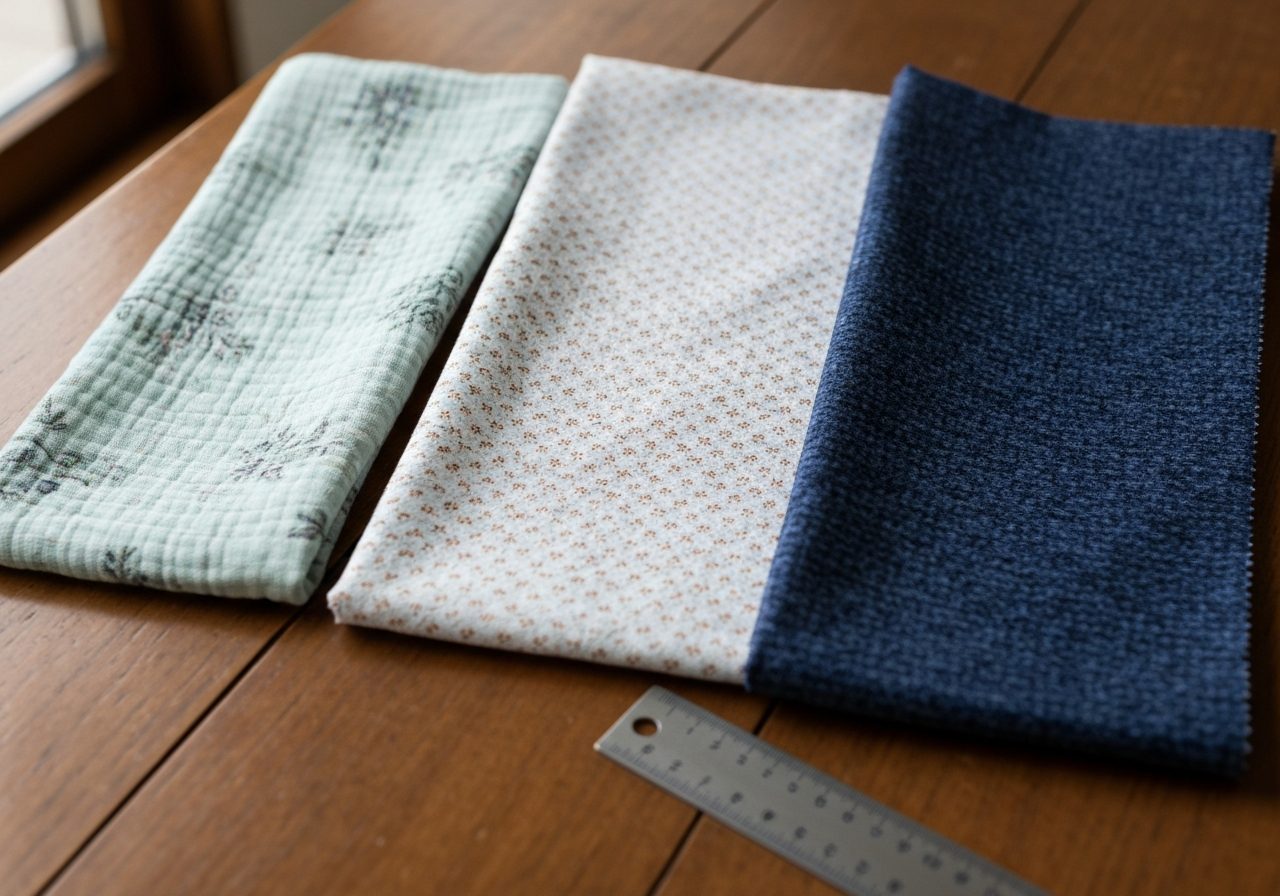
Three Core Weave Structures and Where to Use Them
Double Gauze
Double gauze is currently the most popular choice for children's clothing and baby products. Two loosely woven layers are cross-stitched together, giving breathability and softness that plain cotton simply cannot match. On Japanese double gauze, the print typically sits on the outer layer and develops a gentle, natural crinkle after washing — no ironing needed, and the result looks effortlessly relaxed. Best uses: baby swaddle wraps, children's tops, lightweight jackets, and adult summer shirts. If you are sourcing fabric for a children's apparel line, Japanese imported double gauze is the place to start.
Plain-Weave Cotton (Broadcloth / Sheeting)
Plain-weave cotton is the most versatile base cloth we carry. The structure is stable, it cuts and sews cleanly, and it holds printed colour evenly across the surface. Japanese plain-weave cotton is typically spun at 40s or 60s count — finer than most alternatives — giving it a smooth, pleasantly substantial hand. Ideal for children's wear, womenswear dresses, handmade pouches, and fabric book covers. If you are new to sewing or just starting to work with original print cotton fabric, Japanese plain-weave is the most forgiving entry point.
Functional Fabric
Functional fabric covers water-repellent, stretch knit, and cooling-finish constructions. Japanese functional fabric stands out for its elastic recovery and the durability of its printed surface — the print holds even under repeated stretch and wash cycles. Well suited to activewear, outdoor bags, performance children's wear, and workwear. For B2B buyers who need differentiation, pairing functional fabric with custom digital printing is an effective way to build strong brand identity without a massive minimum order.
Choosing a Print Style: Four Practical Categories
Selecting Japanese fabric is not just about weave structure — the print style sets the entire tone of the finished piece. These four categories are the most useful framework when browsing or placing an order:
- Scattered small florals (Liberty-inspired style). Suits womenswear dresses and bag accessories. The palette tends to be soft and restrained, with a vintage European feel that pairs easily with solid coordinating cloth.
- Geometric colour-blocking (Scandinavian or Japanese minimalist style). Strong lines, clean colour relationships, and a modern visual feel. Great for children's apparel and home textiles. Pattern-matching at the seam is minimal, making it beginner-friendly.
- Nature themes — botanicals, animals, food. This category is especially rich in Japanese children's fabric. Squirrels, mushrooms, tropical leaves, and illustrated sweets all carry genuine narrative charm — perfect for making things for children.
- Seasonal and occasion prints. Christmas, Halloween, spring cherry blossom, and similar limited-run prints are well suited to small-batch production timed to the retail calendar. They generate strong interest at craft markets and in online shops.
Want a Custom Print? We Start at Just 20 Yards
If our in-stock print range does not fit your brand direction, cocochi's house also offers a custom digital printing service. Unlike large manufacturers that require thousands of yards before they will run a custom print, our minimum is just 20 yards — with sampling and small trial runs available. That means indie designers and emerging children's apparel brands can test an original print in the real market without tying up capital in unsold inventory.
Behind this service is the 40-year pattern-making and production team at KAIYO FABRIC CO., LTD. — a team with a track record that includes working with a leading Taiwanese childrenswear label and international licensed character brand lines. The full workflow covers artwork file conversion, colour calibration, and fabric suitability testing, so your design translates accurately to cloth.
If you have a brand custom-printing enquiry, get in touch directly via LINE @kaiyofabric. Let us know your intended use and estimated yardage, and the team will come back with a sampling quote and production timeline.
Three Questions to Answer Before You Buy
Whether you are making one item for yourself or placing a bulk order for a brand, ask yourself these three questions first:
- What is the end use? For next-to-skin garments, prioritise double gauze or high-count plain cotton. For structured bags that need body, choose a heavier plain weave or canvas.
- How many yards do you need? In-stock fabric is sold by the yard with no large minimum. Custom digital printing starts at 20 yards.Original print fabric ships free within Taiwan on orders of 100 yards or more; shipping for custom printing and Japanese imports is quoted per order.
- Original design or ready-to-ship stock print? If you need fast turnaround and a proven aesthetic, choose from our in-stock Japanese fabric range. If you need exclusive, brand-specific artwork on cloth, go the custom printing route.
Want to explore specific Japanese fabric options or discuss a custom print project? Get in touch via LINE @kaiyofabric — our design team will give you concrete recommendations based on exactly what you are making.
№ / FAQ
FAQ
- Q. What is the minimum order quantity for custom printed fabric?
- The minimum for custom digital printing at cocochi's house (KAIYO FABRIC CO., LTD.) is 20 yards. Sampling and small trial runs are available before you commit to a full run, which makes it practical for indie brands or designers testing a new print design.
- Q. Do you ship Japanese fabric internationally, and how do I place an order from outside Taiwan?
- International enquiries are welcome. The quickest way to ask about international shipping costs, lead times, and available stock is to contact the team directly via LINE @kaiyofabric or through the contact form on the website. The team can advise on current availability and shipping options for your region.
- Q. What makes Japanese double gauze different from regular cotton muslin?
- Double gauze is made from two separate layers of loosely woven gauze that are stitched together at intervals. This gives it noticeably better breathability and softness than a single-layer muslin of similar weight. Japanese double gauze also holds printed designs on the outer layer with high colour fidelity, and it develops a pleasant natural crinkle after washing that plain muslin does not replicate.
- Q. Can I supply my own artwork file for custom printing, and what format does it need to be?
- Yes — you can supply your own original artwork. The production team at KAIYO FABRIC CO., LTD. handles artwork file conversion and colour calibration as part of the custom printing workflow, so even if your file is not print-ready, there is a review and adjustment process. Get in touch via LINE @kaiyofabric with your artwork and intended fabric type for a specific quote and file requirement checklist.
- Q. Is Japanese imported fabric suitable for children's wear safety standards?
- Japanese fabric mills apply strict in-house quality standards covering colour fastness, shrinkage, and thread density — making Japanese cotton and double gauze a reliable choice for children's apparel. However, compliance with specific safety certifications (such as OEKO-TEX or country-specific children's product regulations) depends on the individual mill and fabric item. If you need certification documentation for a particular standard, mention this when you get in touch so the team can confirm availability for the specific cloth you need.
№ / READ NEXT
Read next
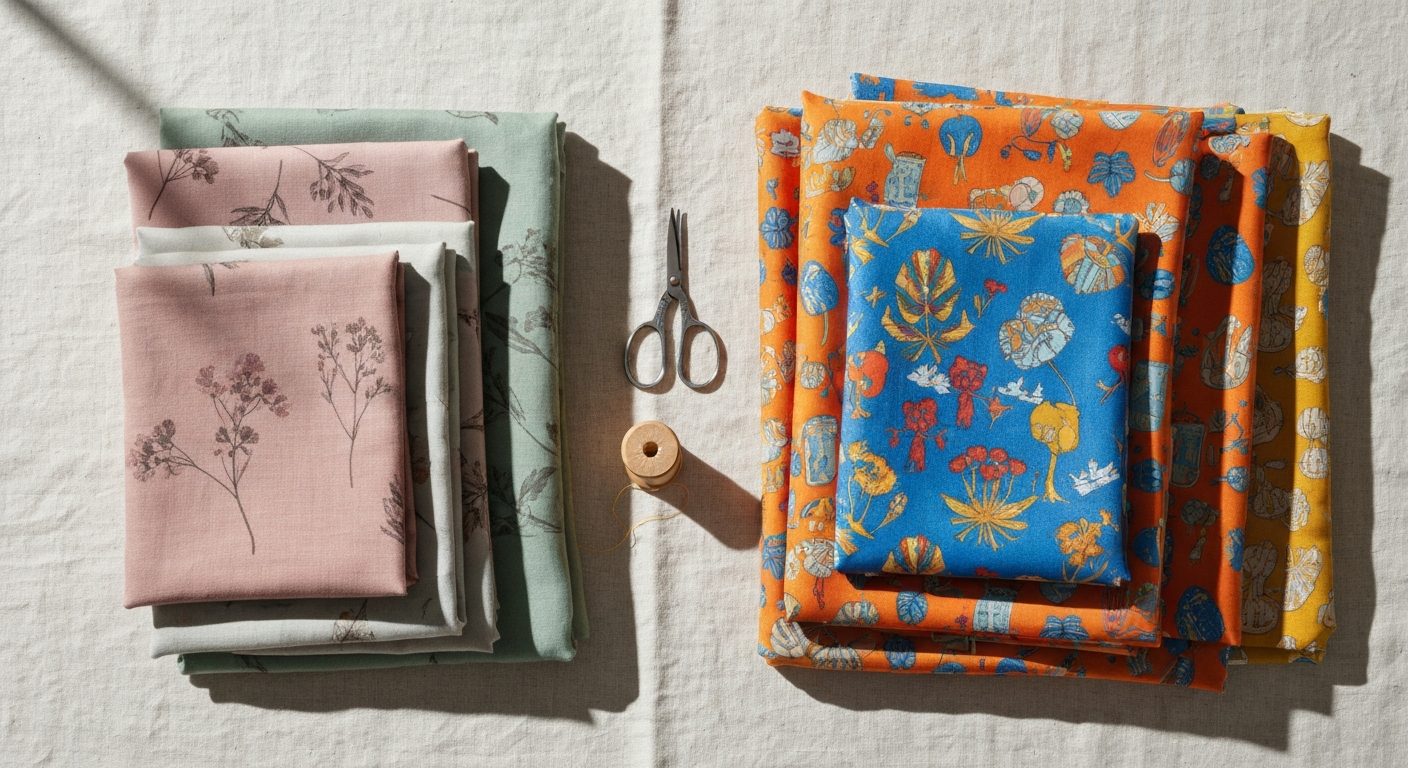
Morandi vs. Bold Prints: How to Choose the Right Fabric Colour Style for Your Collection
May 18, 2026
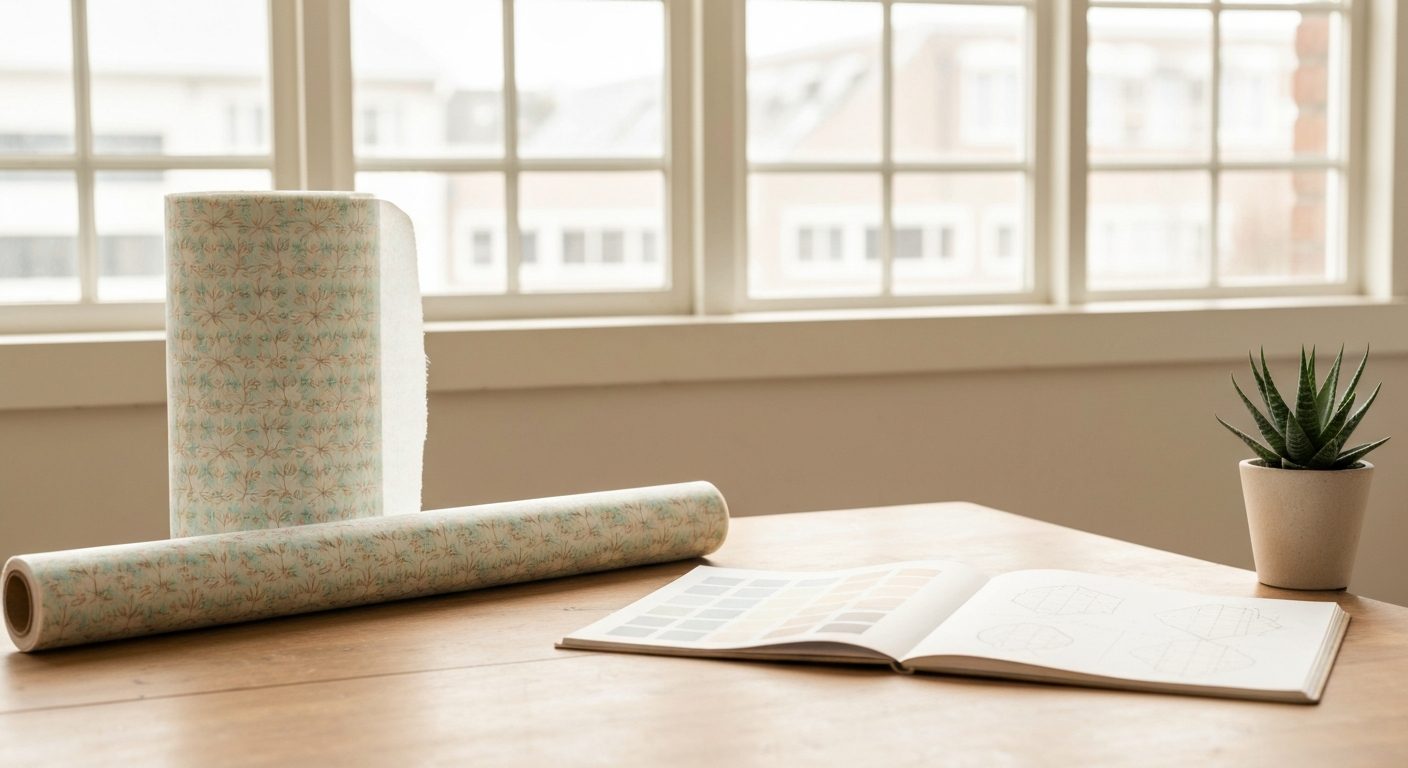
Custom Printed Fabric: The Complete 4-Stage Process — From Artwork to Finished Bolt
May 18, 2026
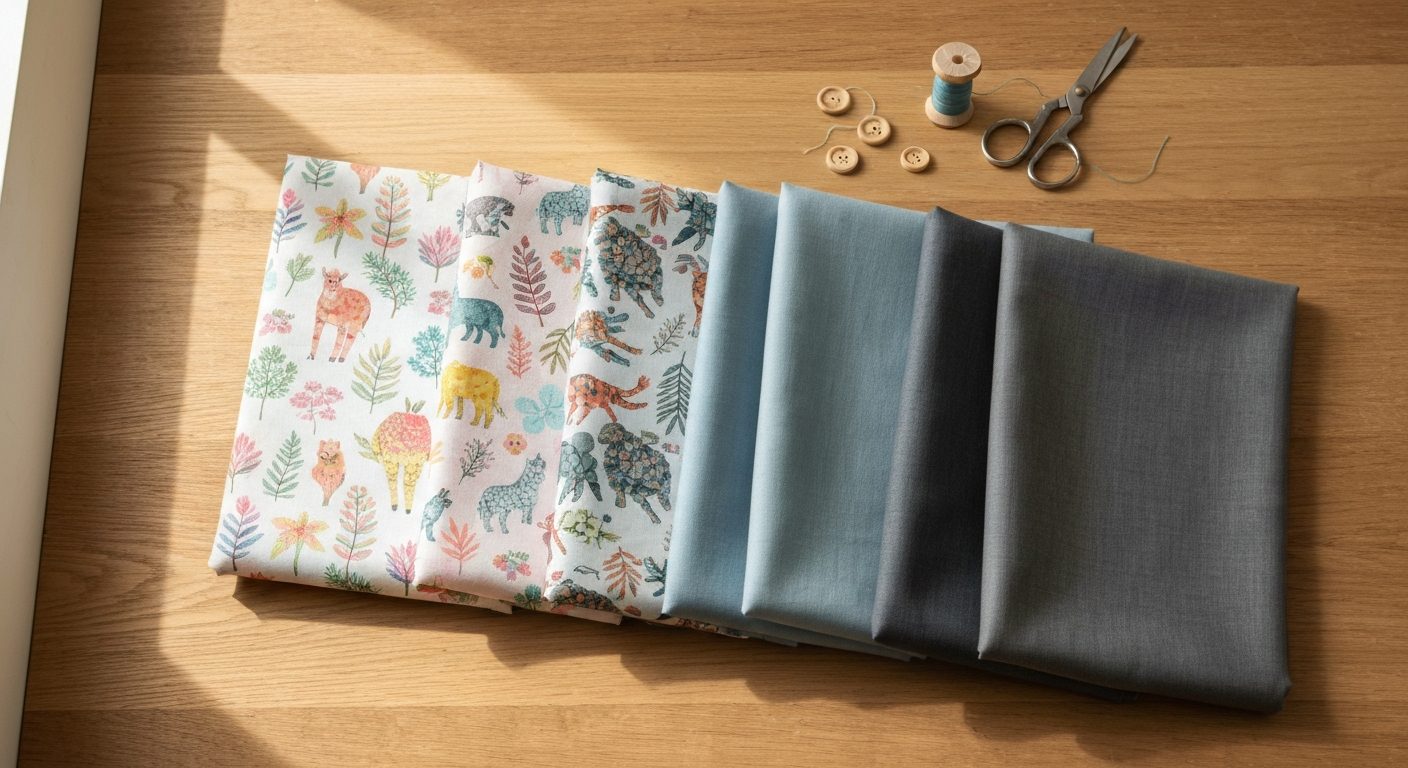
Printed Fabric vs. Solid Fabric: Which Should You Choose? 4 Decision Angles for Designers and Makers
May 18, 2026